
Season 2026/27


Scroll & Discover


Multifaceted
The Berliner Philharmoniker
in all its musical diversity
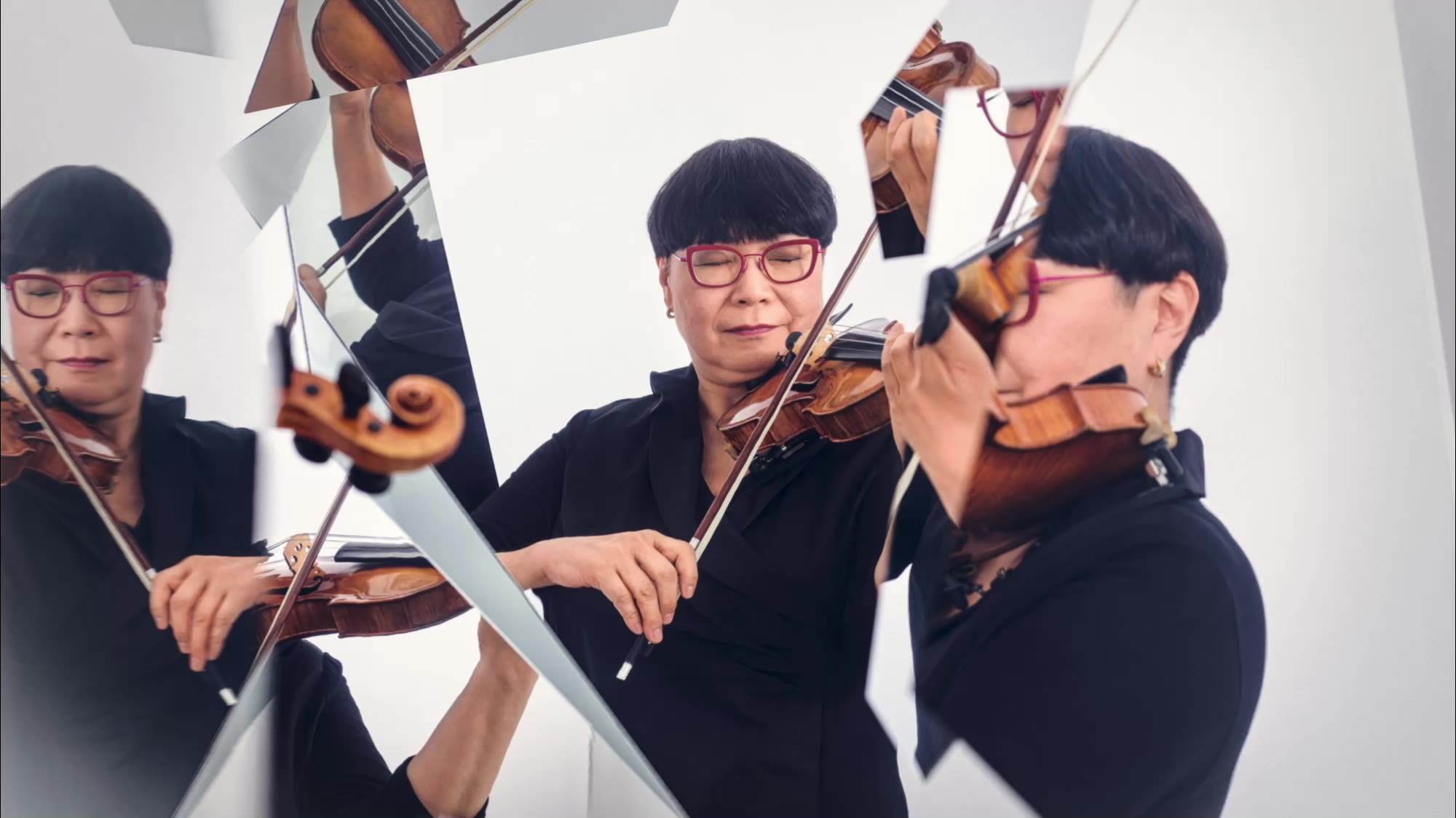
The artistic breadth of the Berliner Philharmoniker lies in a remarkable ability to move between different eras and styles, bringing historical sound worlds to life as vividly as contemporary impulses and unusual musical perspectives. These qualities are evident not only in orchestral concerts, but also in chamber music settings. This season’s concerts reflect the curiosity, openness and spirit of experimentation that shape the orchestra’s work.
Orchestral concerts
with the Berliner Philharmoniker
Over 30 orchestral programmes await you with the Berliner Philharmoniker in the coming season – the majority with chief conductor Kirill Petrenko. We are also looking forward to working with many top guest conductors and soloists, as well as to notable interesting debuts.
Berliner Philharmoniker ensembles
Chamber music in series
The orchestra’s exceptional quality is also fostered by the intensive chamber music work of its members. In the 2026/27 season, the chamber music series Berliner Philharmoniker Ensembles will increasingly focus on works by Ludwig van Beethoven, the 200th anniversary of whose death will be celebrated in 2027.
Subscriptions &
Flex packages
You can experience the full diversity of the Berliner Philharmoniker with one of the varied subscriptions packages we have curated for you. Or you can decide for yourself and put together your own personal Flex package of three, five or nine concerts.

Get in the mood
Get in the mood
Concerts with Kirill Petrenko
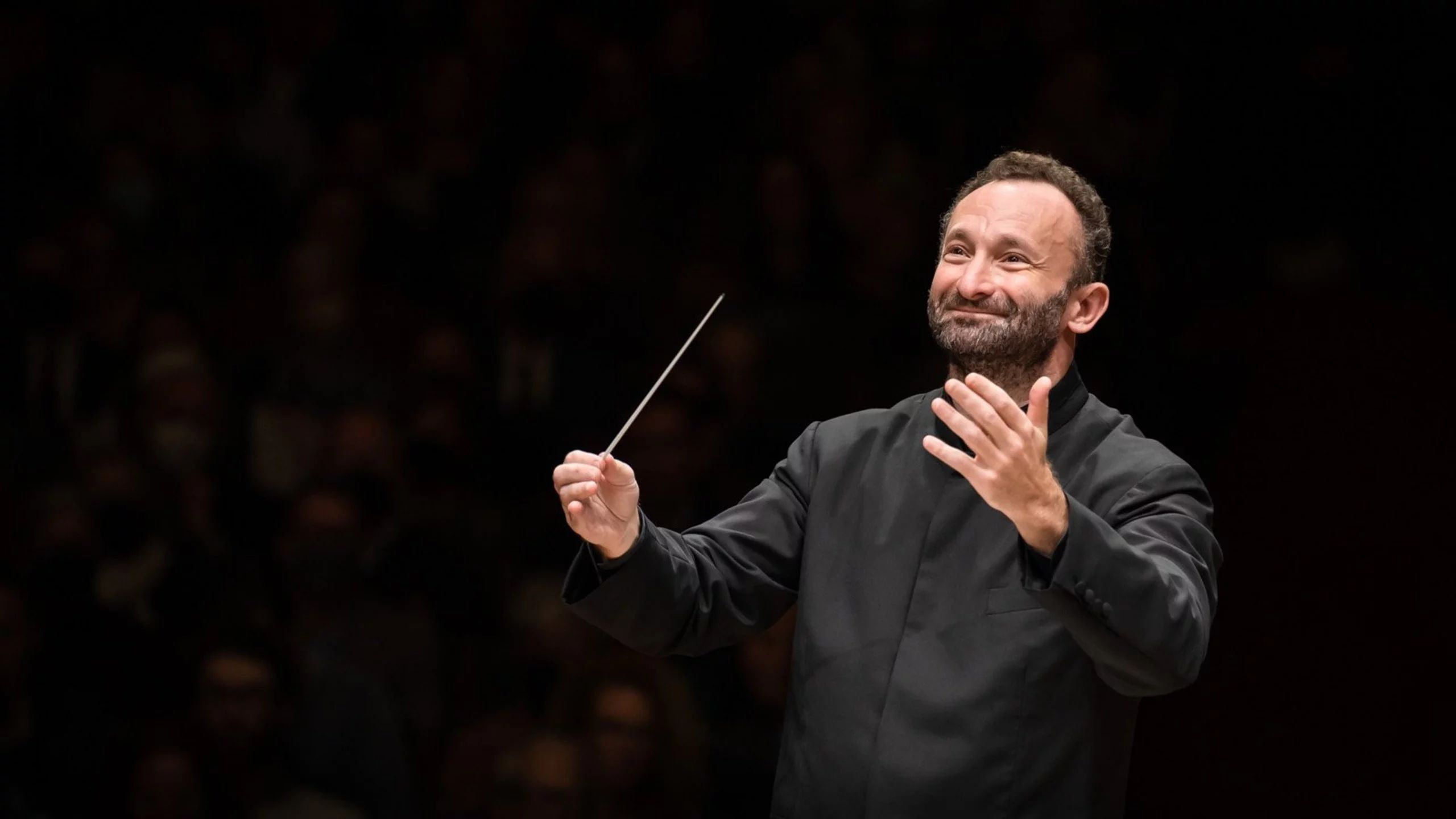
For Kirill Petrenko, the music of the German-Austrian Classical and Romantic periods is essential for the Berliner Philharmoniker. This season, he presents works by Beethoven, Mendelssohn, Brahms and Strauss. Slavic culture is also close to the chief conductor’s heart, and he starts season with Tchaikovsky’s Fourth Symphony. Kirill Petrenko conducts two operas: Wagner’s Die Walküre and Humperdinck’s Hänsel und Gretel. Also, not to be missed are new discoveries, such as Messiaen’s Les Offrandes oubliées and the world premiere of a work by Sarah Nemtsov.
Highlights
Thu 28.01.2027 | Fri 29.01.2027 | Sat 30.01.2027
Beethoven‘s Missa solemnis
The Missa solemnis is one of Beethoven‘s most personal works - a passionate declaration of faith and humanity at the same time. To mark the 200th anniversary of the composer's death, Kirill Petrenko and the Berliner Philharmoniker will perform the vocal work at the end of our Signs & Wonders Biennale.
Sat 03.04.2027
Wagner‘s “Walküre” in concert
Adultery, incest, the Ride of the Valkyries and the magic of fire - Richard Wagner‘s Walküre is uniquely dramatic. Following performances at the Salzburg Easter Festival, Kirill Petrenko and the Berliner Philharmoniker will bring Die Walküre to Berlin in concert – as a continuation of their cycle Der Ring des Nibelungen, which began last season.
Thu 27.05.2027 | Sat 29.05.2027 | Sun 30.05.2027
“Hänsel & Gretel”
Two brave children who use their wits to free themselves from the clutches of a witch: Engelbert Humperdinck turned the popular fairy tale Hänsel and Gretel into an opera which still enchants today. The semi-staged performance is supported by the Vokalhelden choir. This choir comes from the Berliner Philharmoniker’s education programme, which celebrates its 25th anniversary this season.

Faces of the season



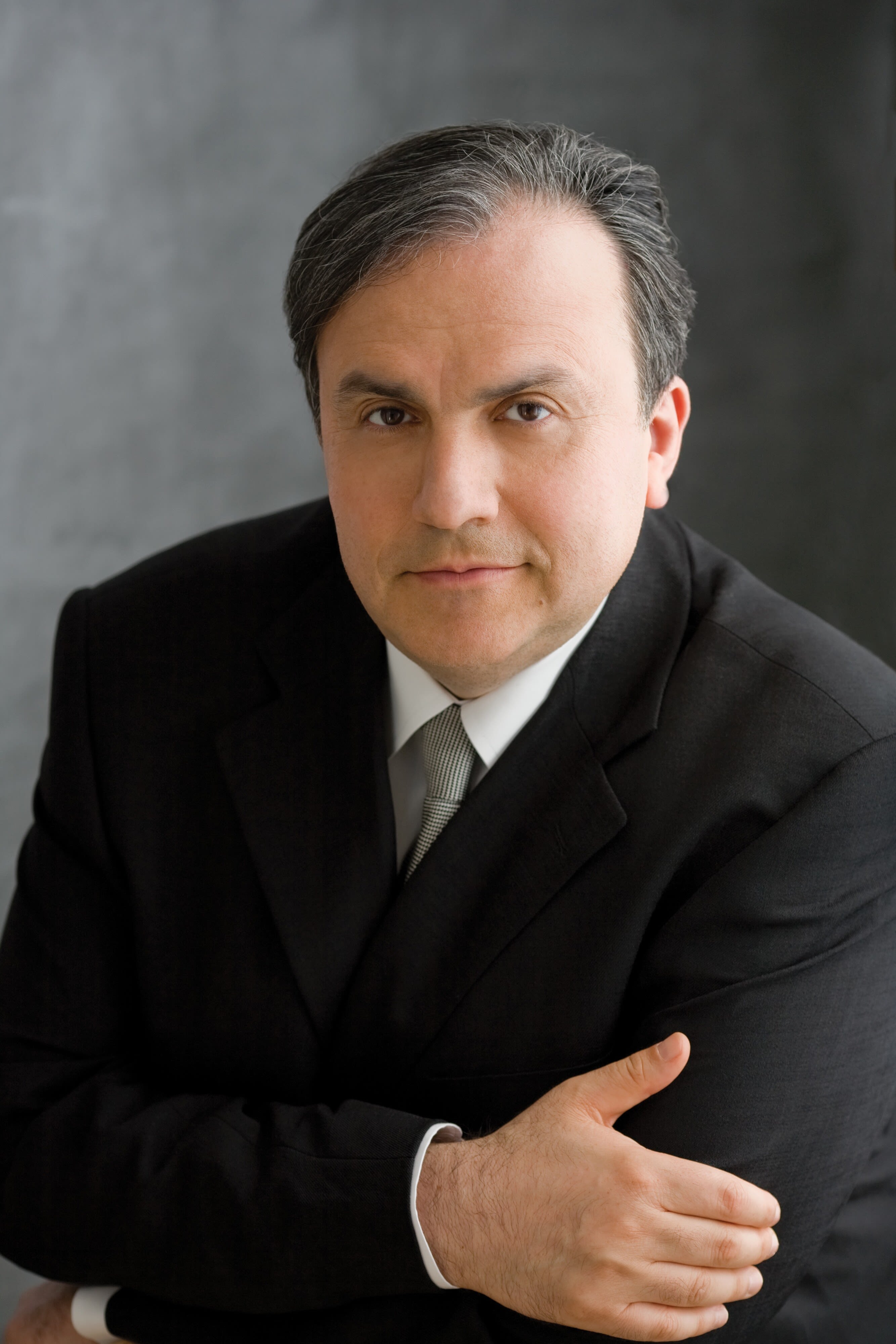

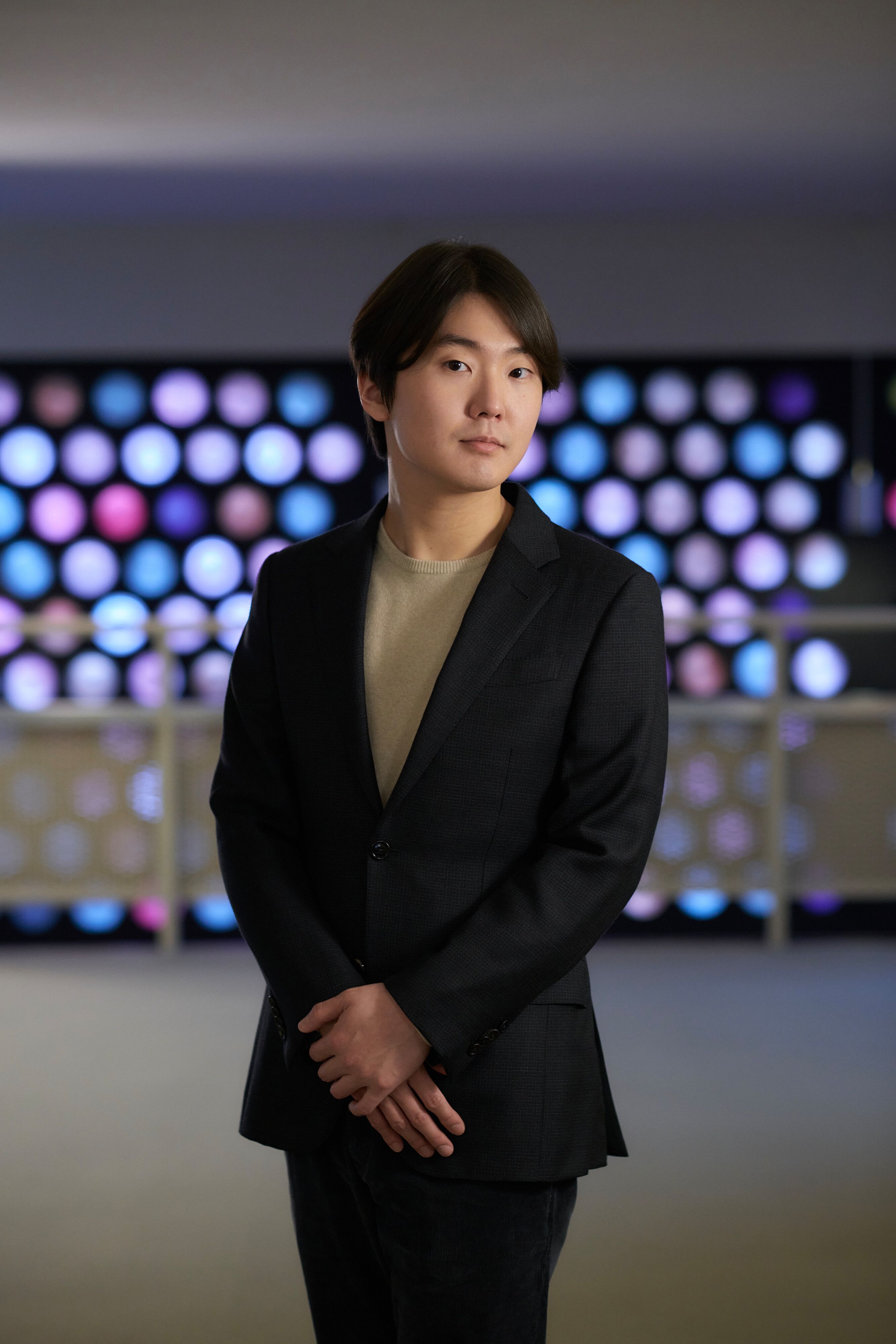

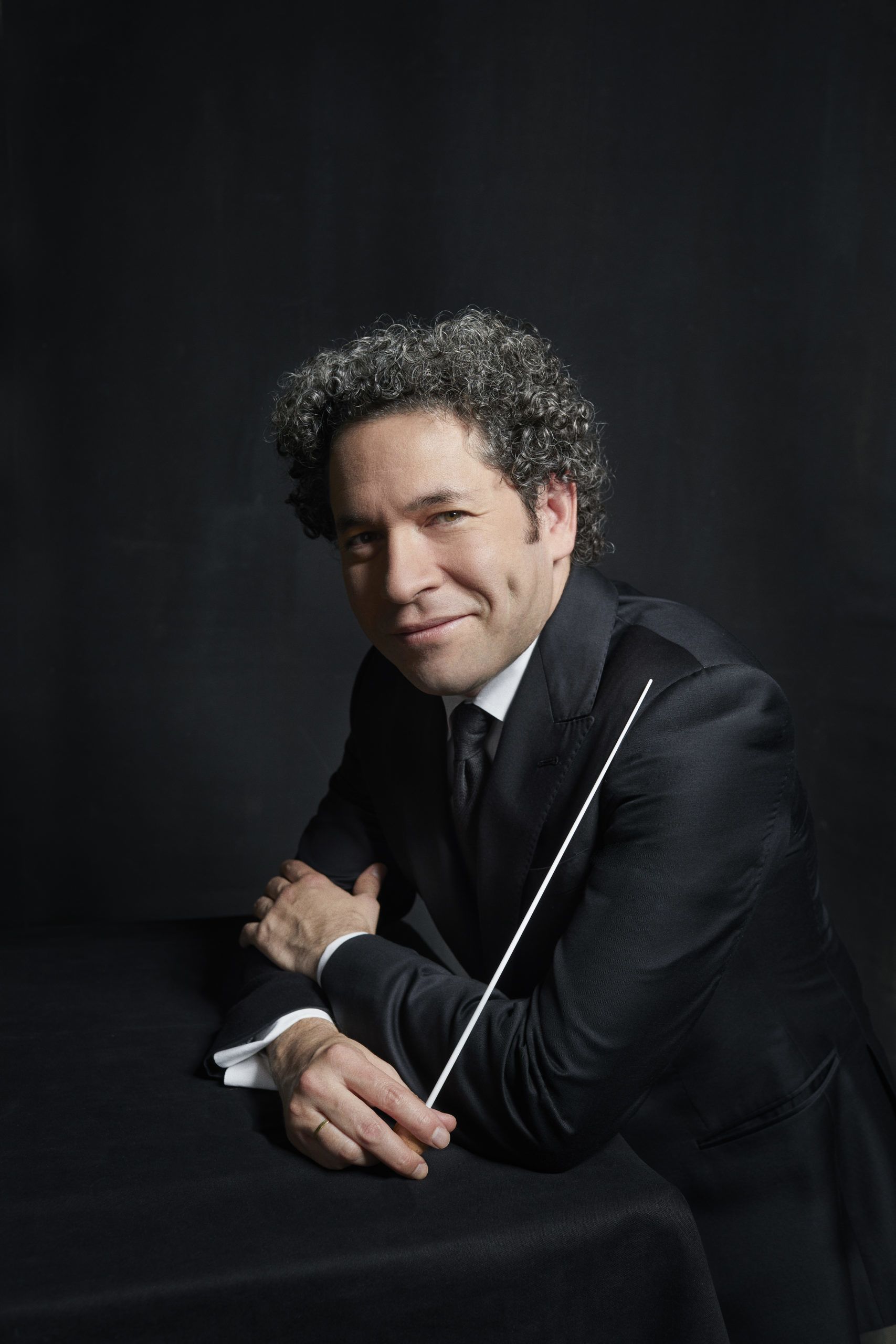

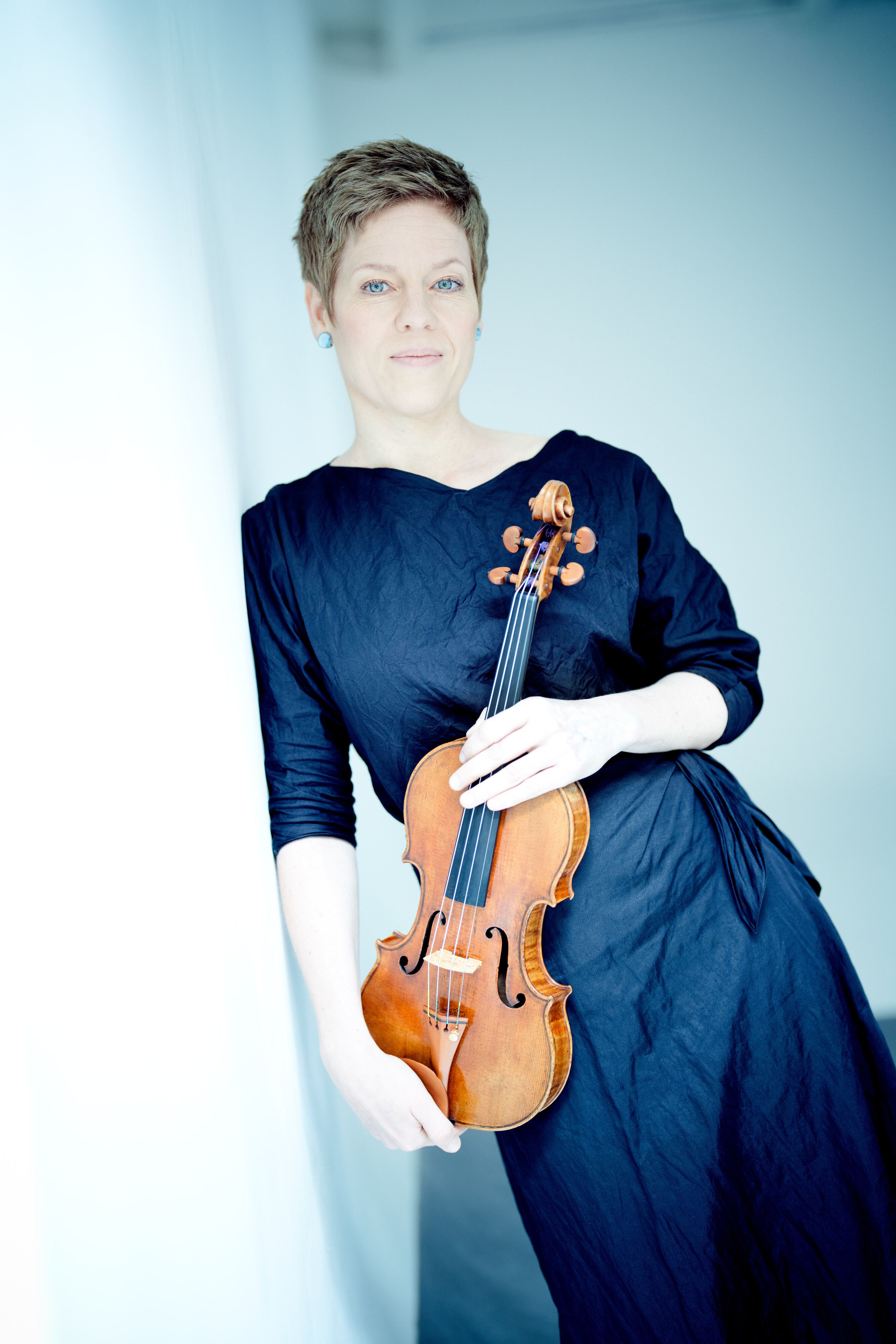

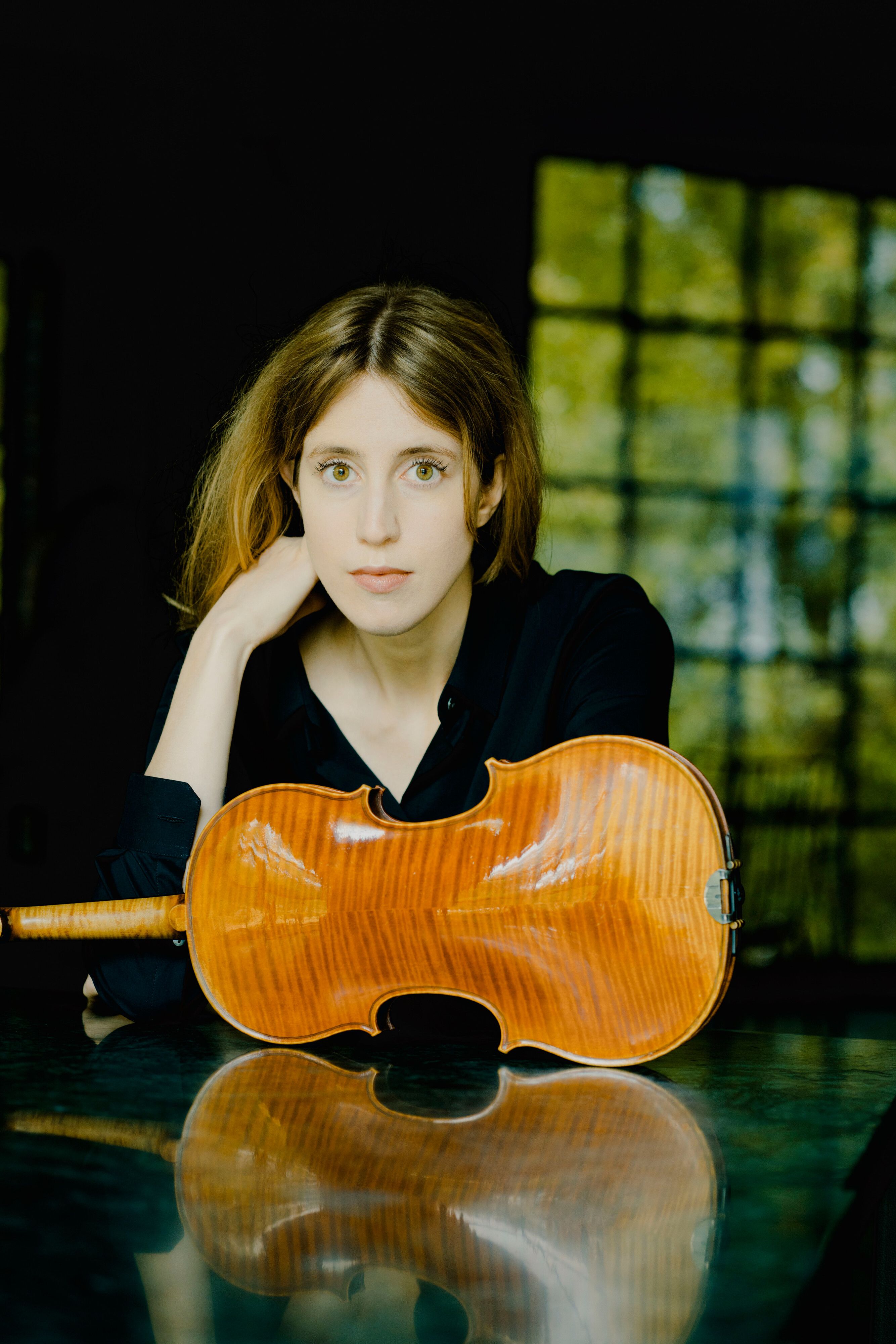

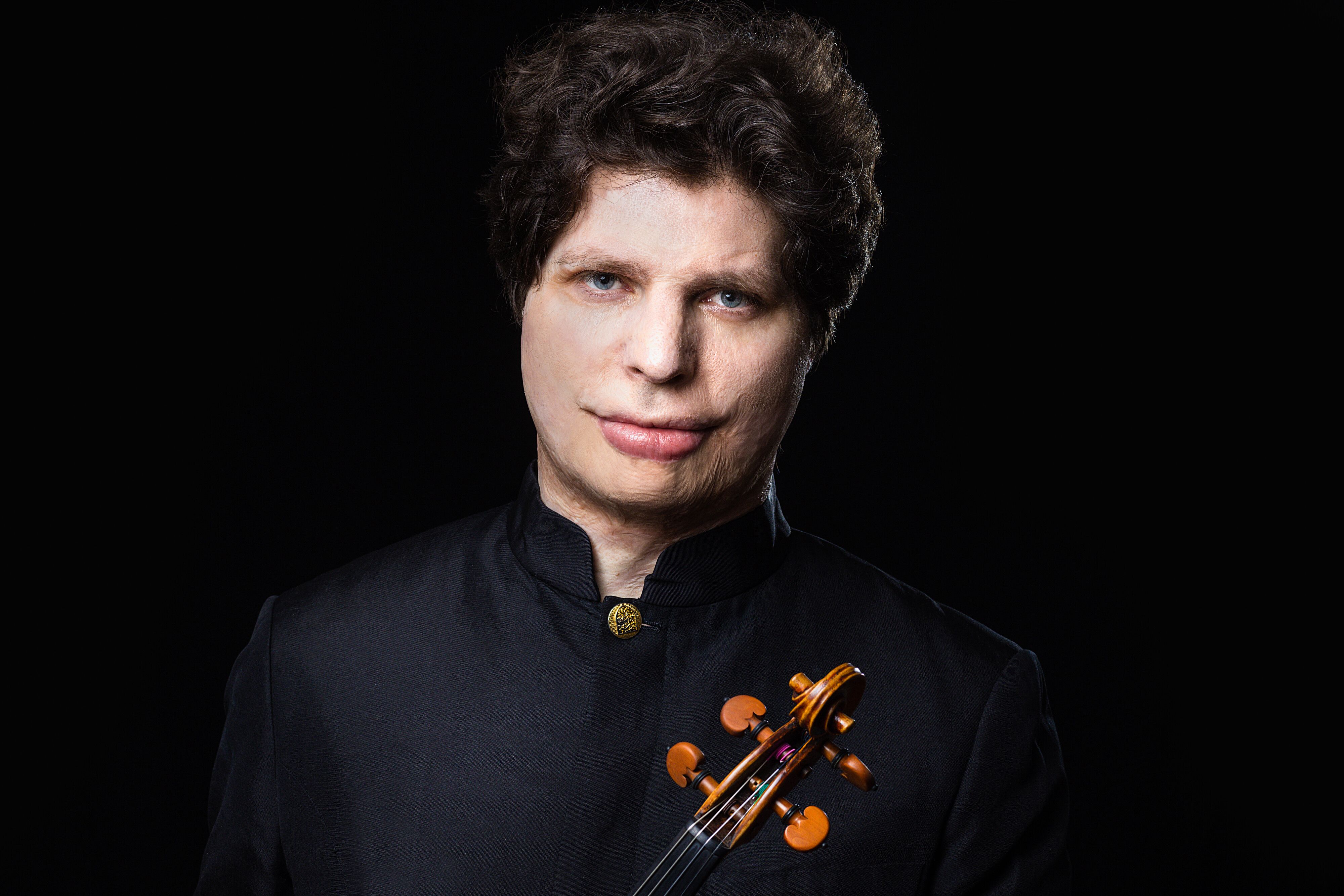

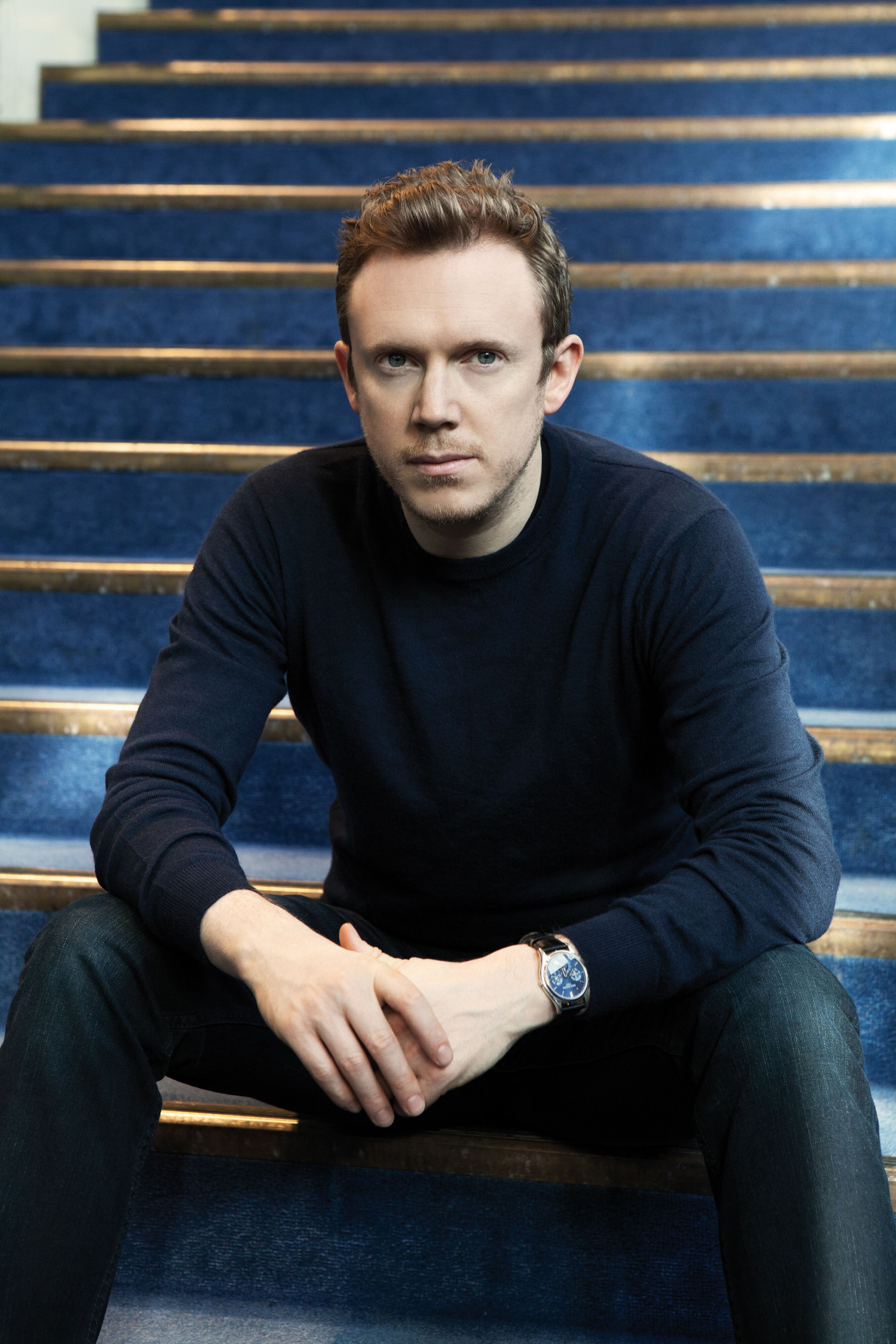

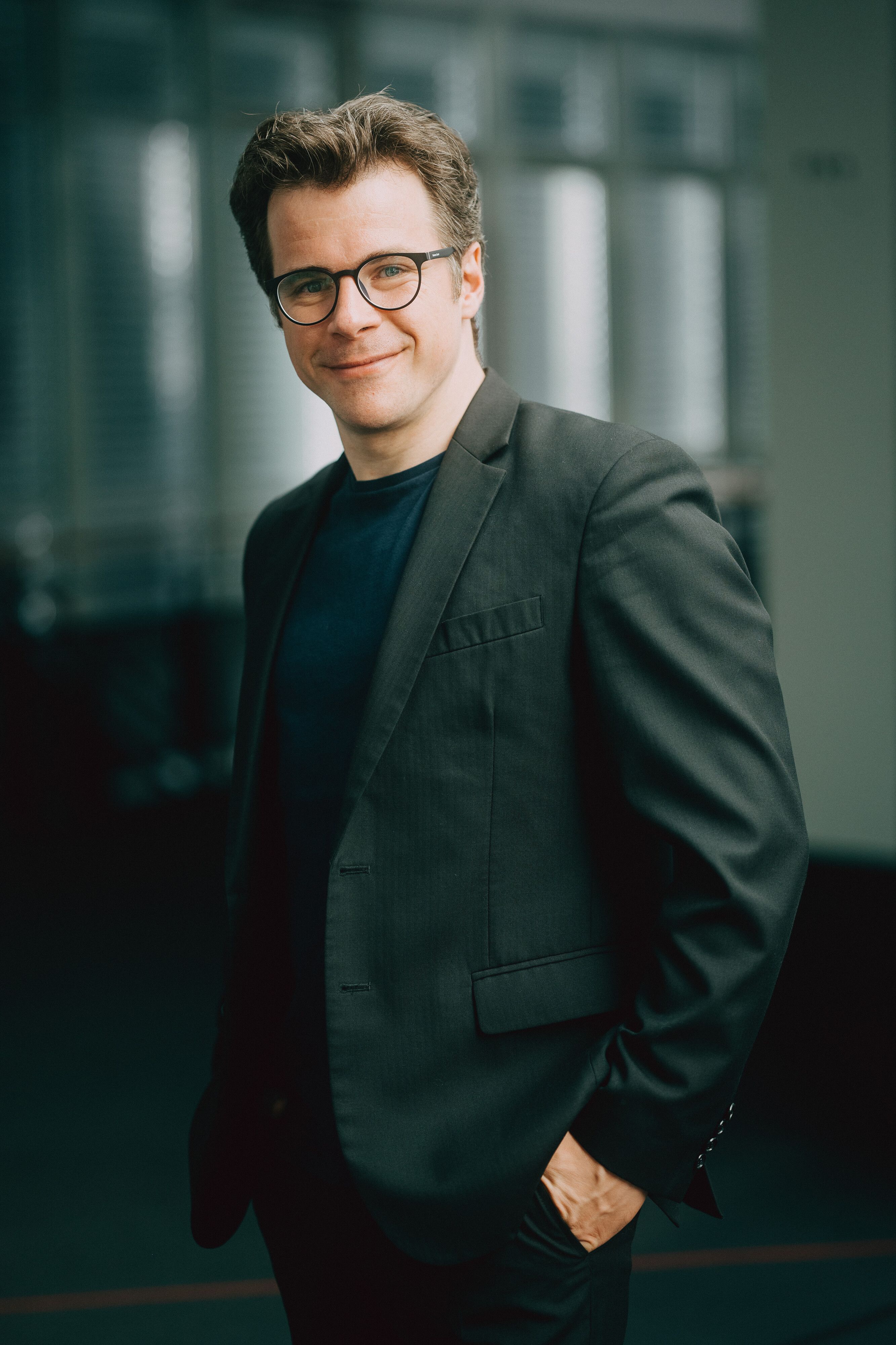

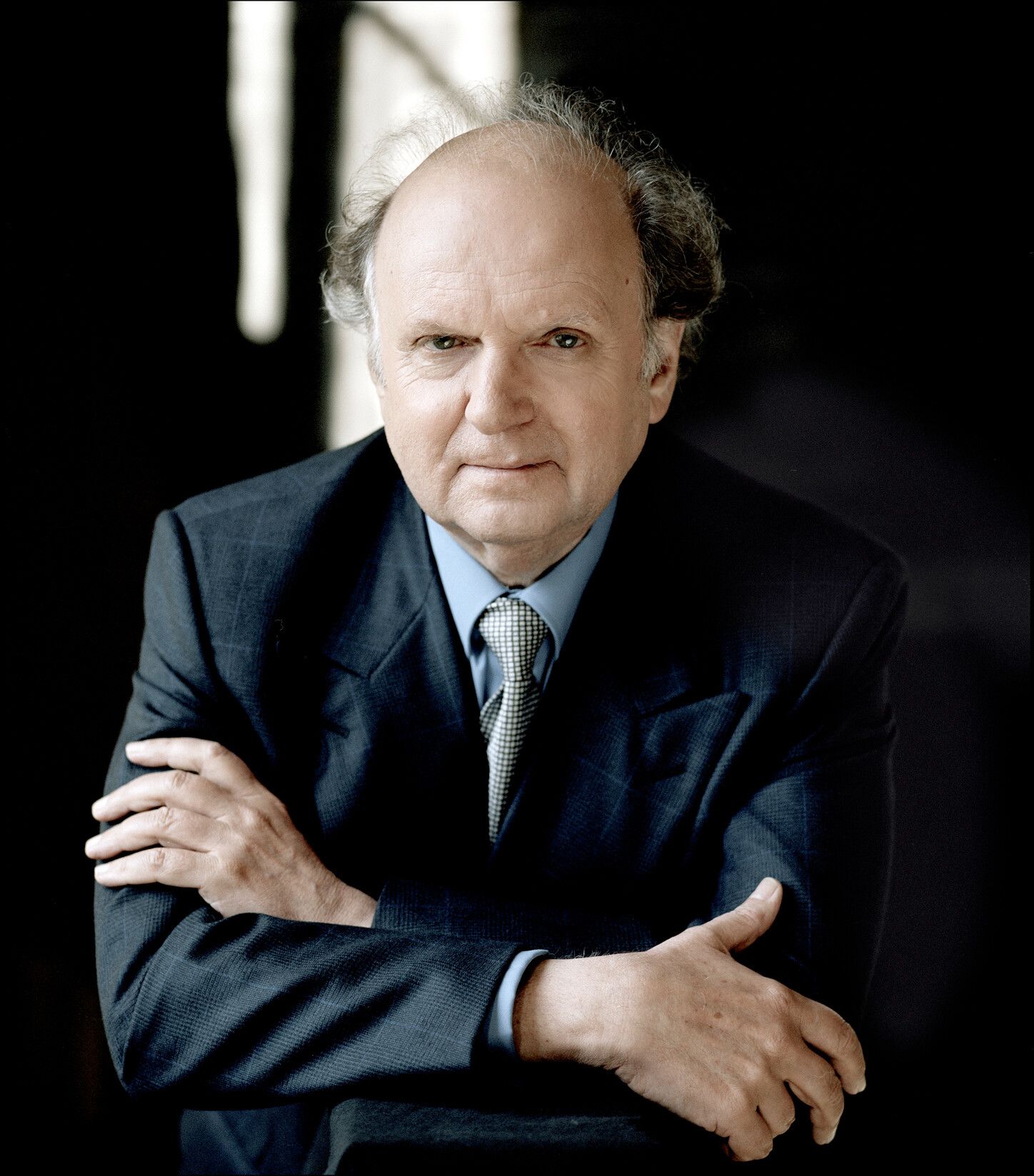

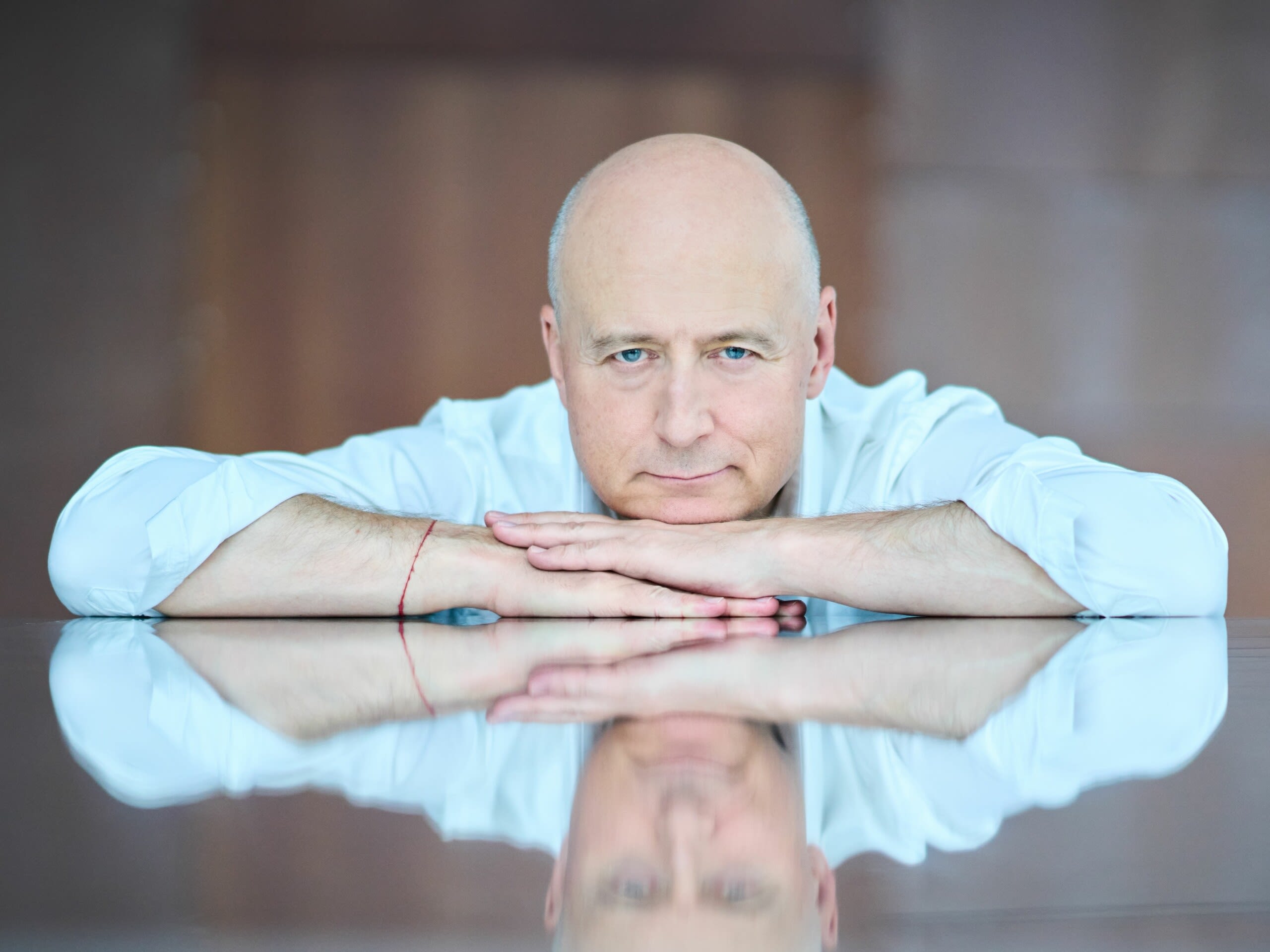

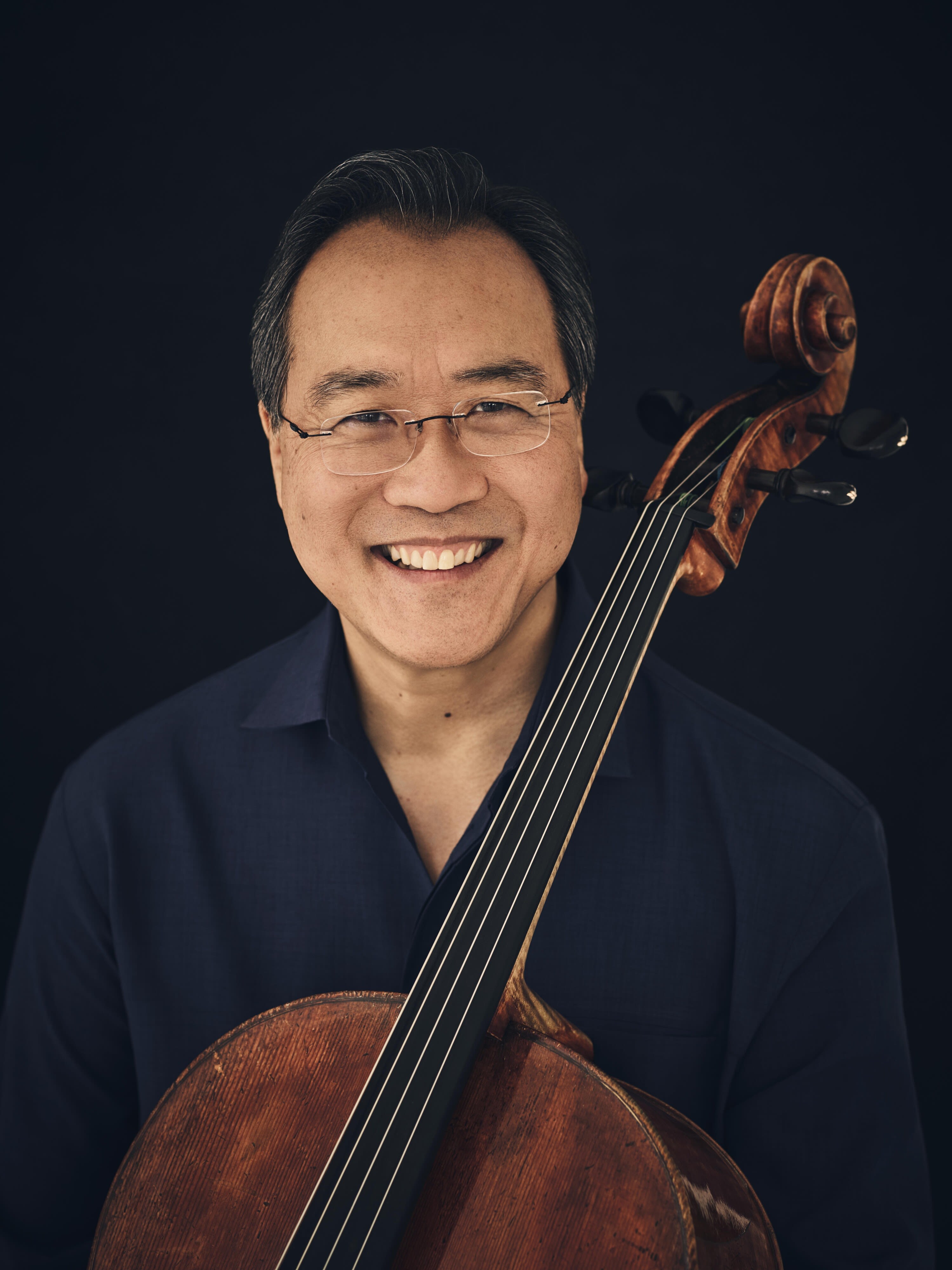

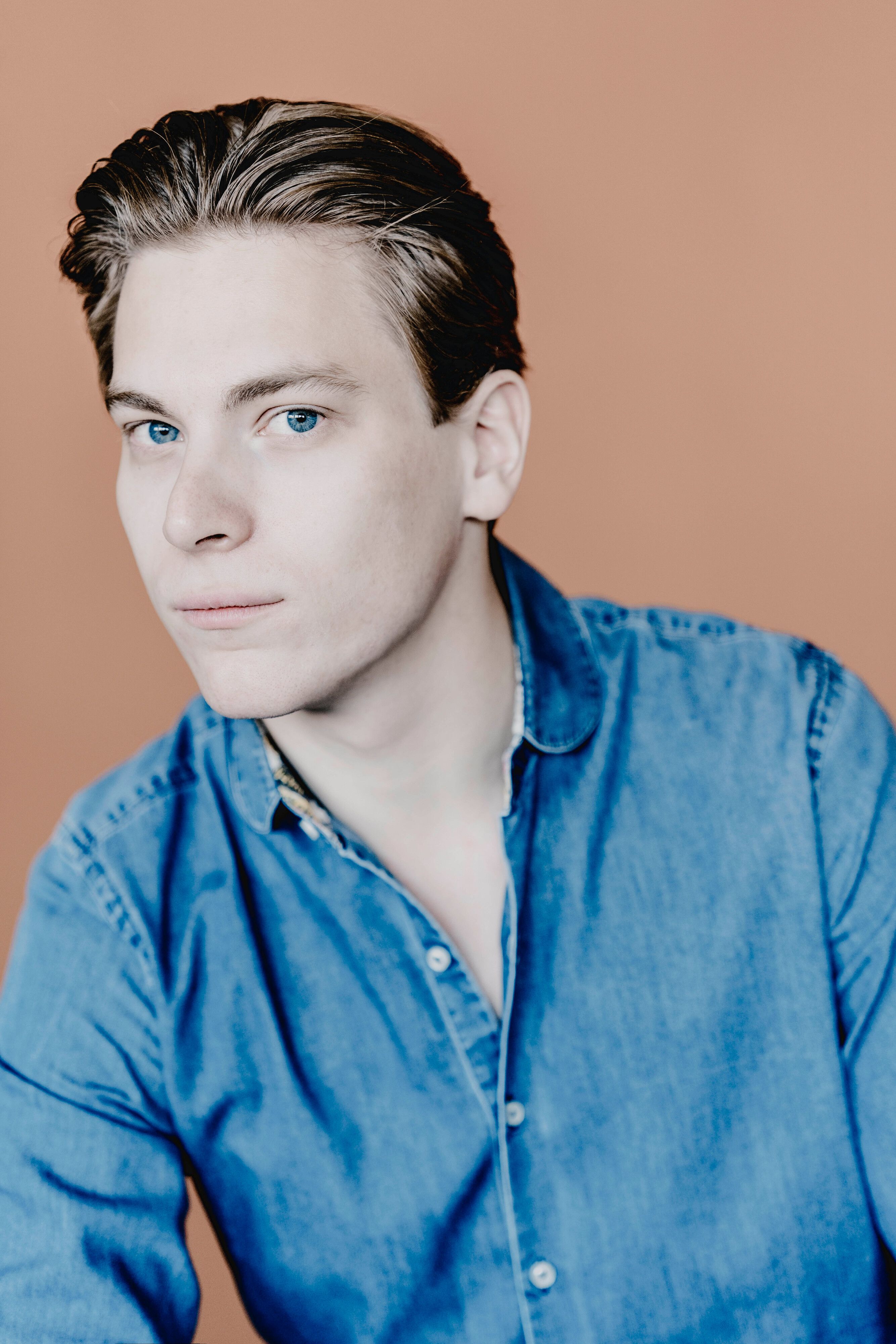

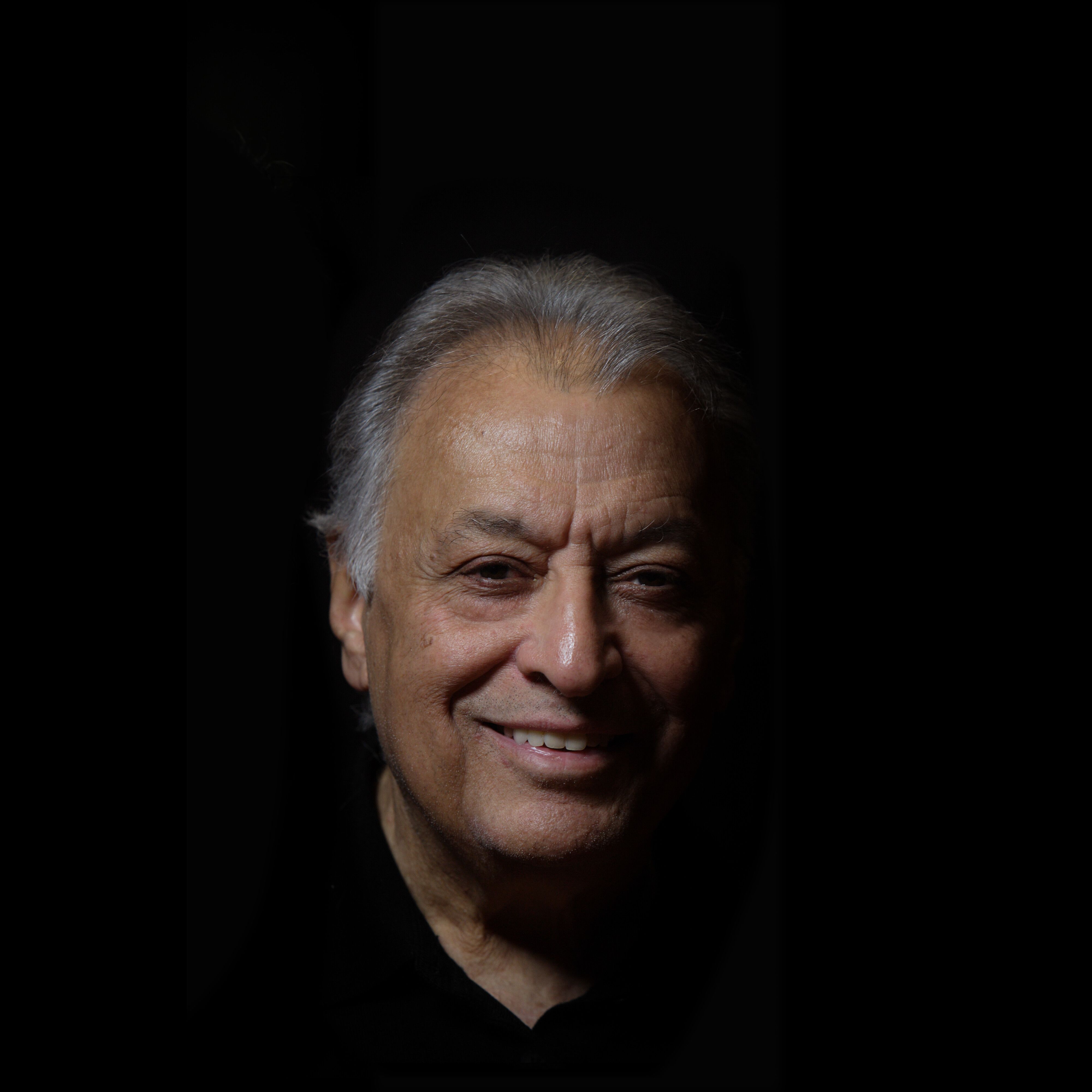

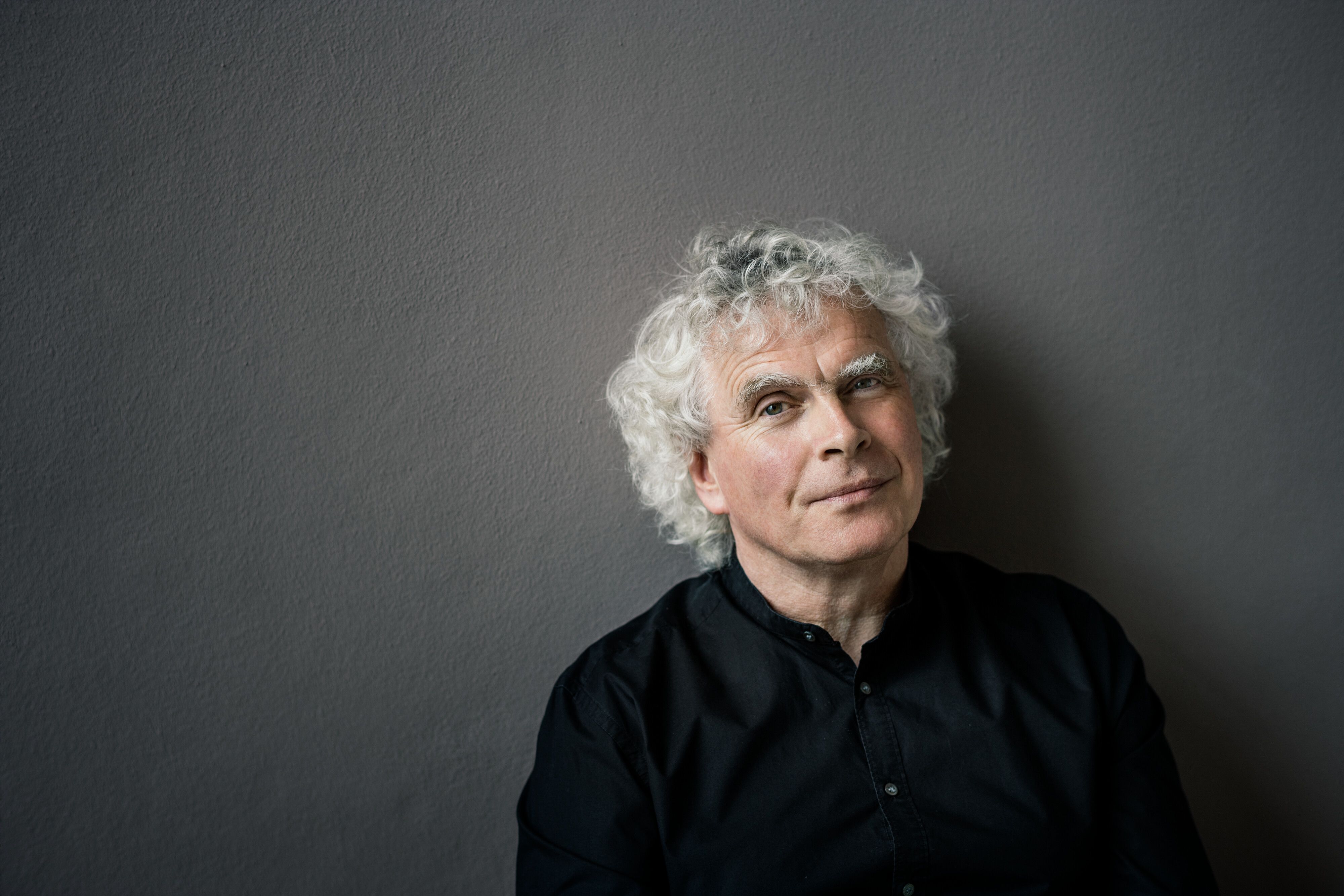

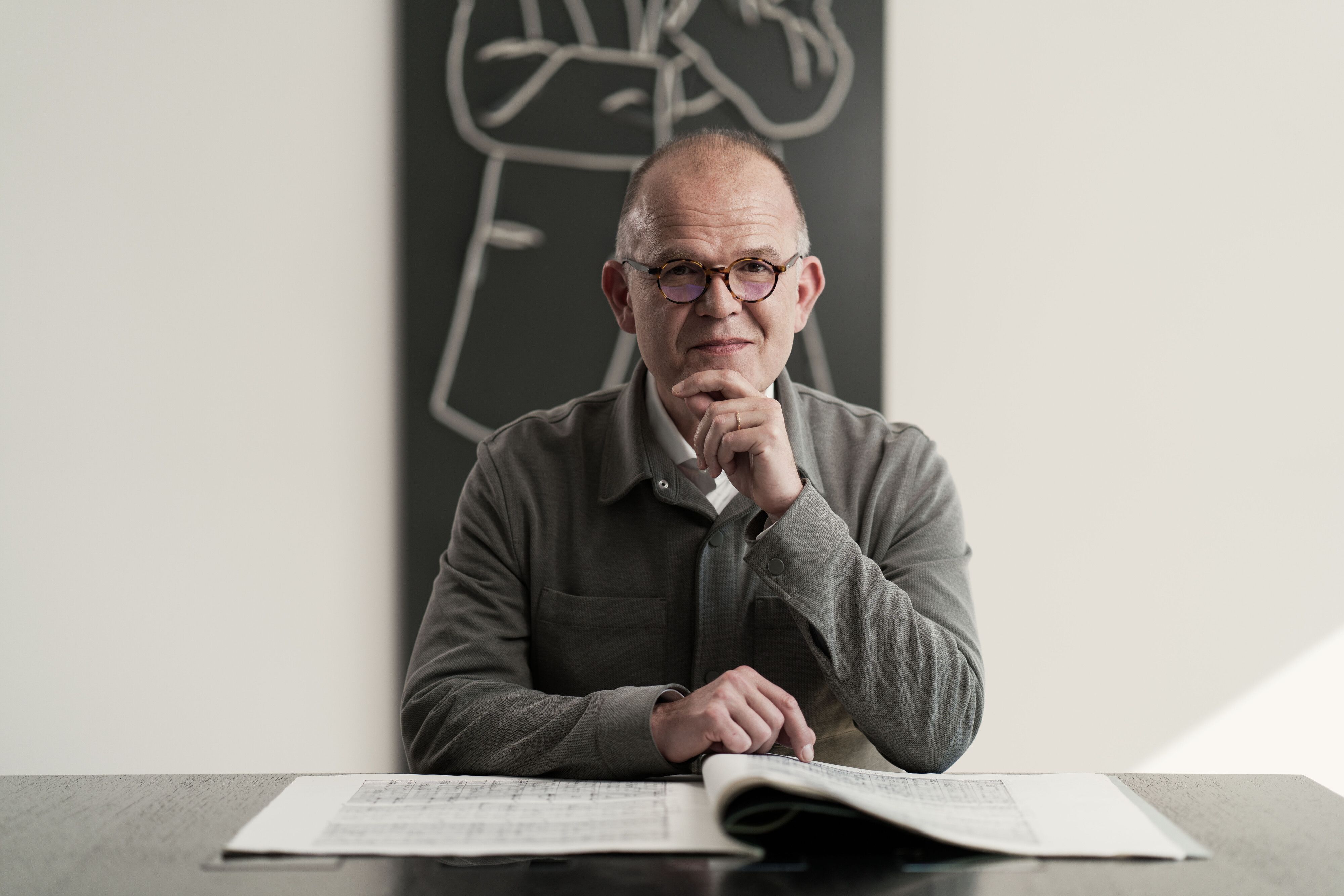

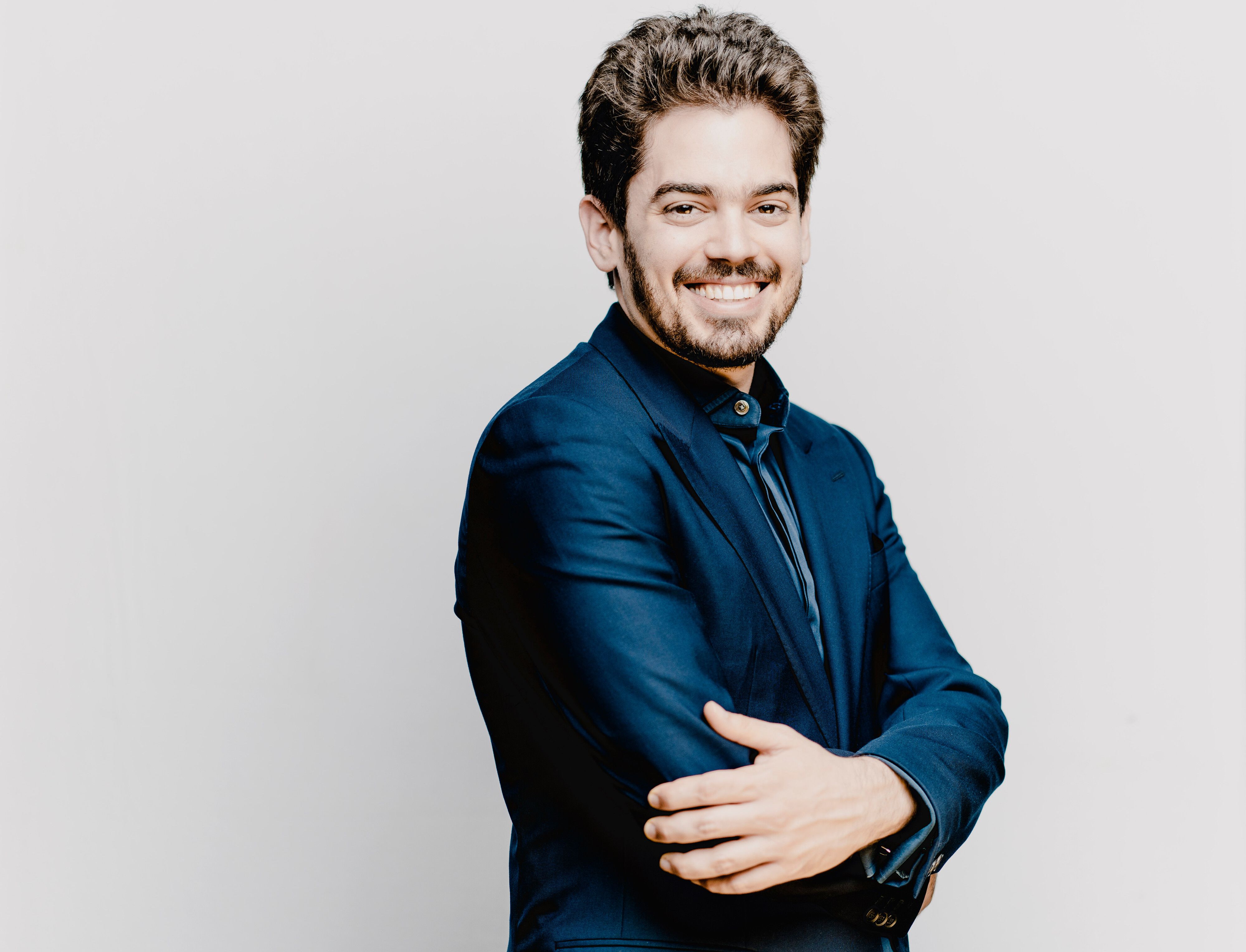

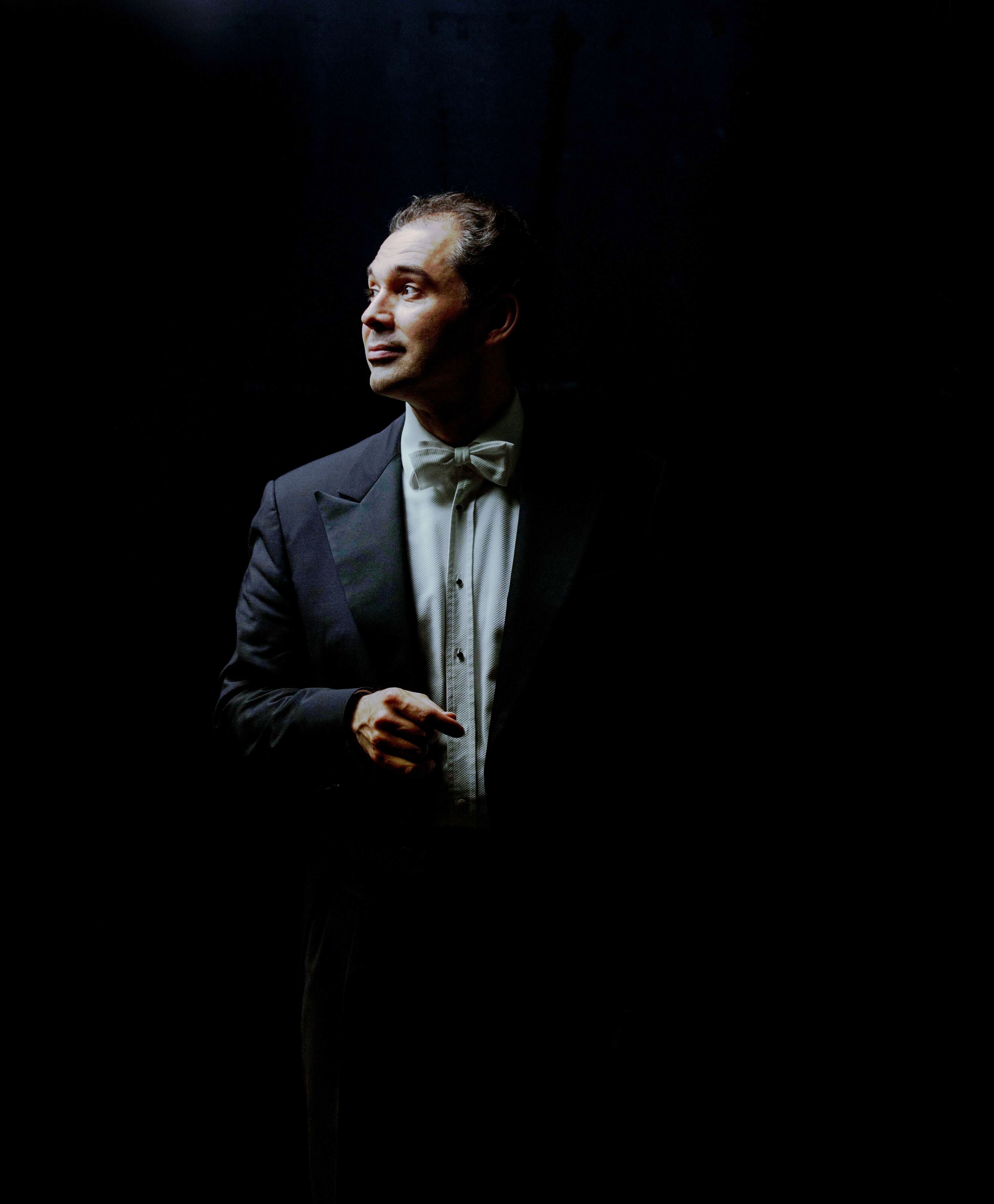

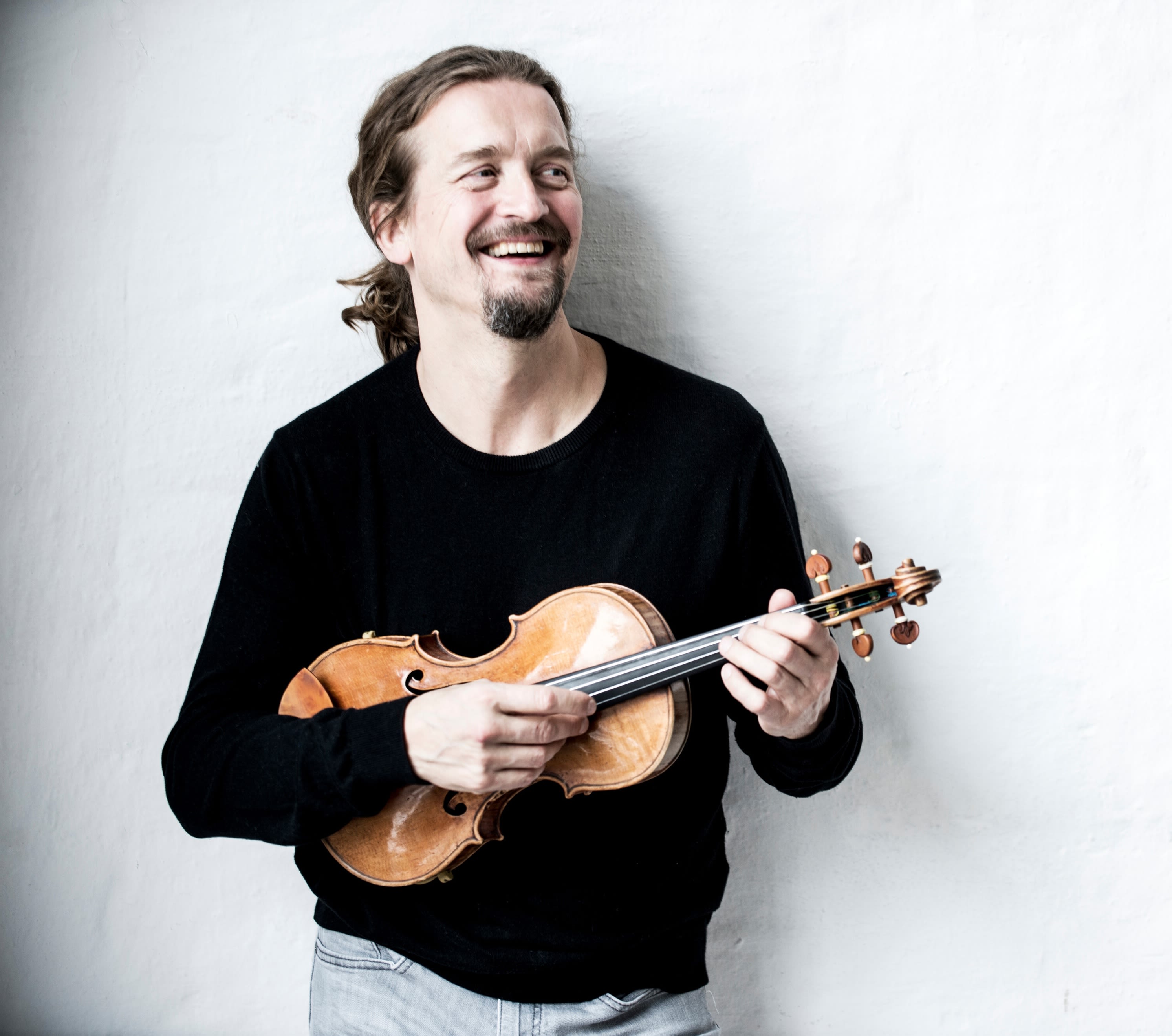

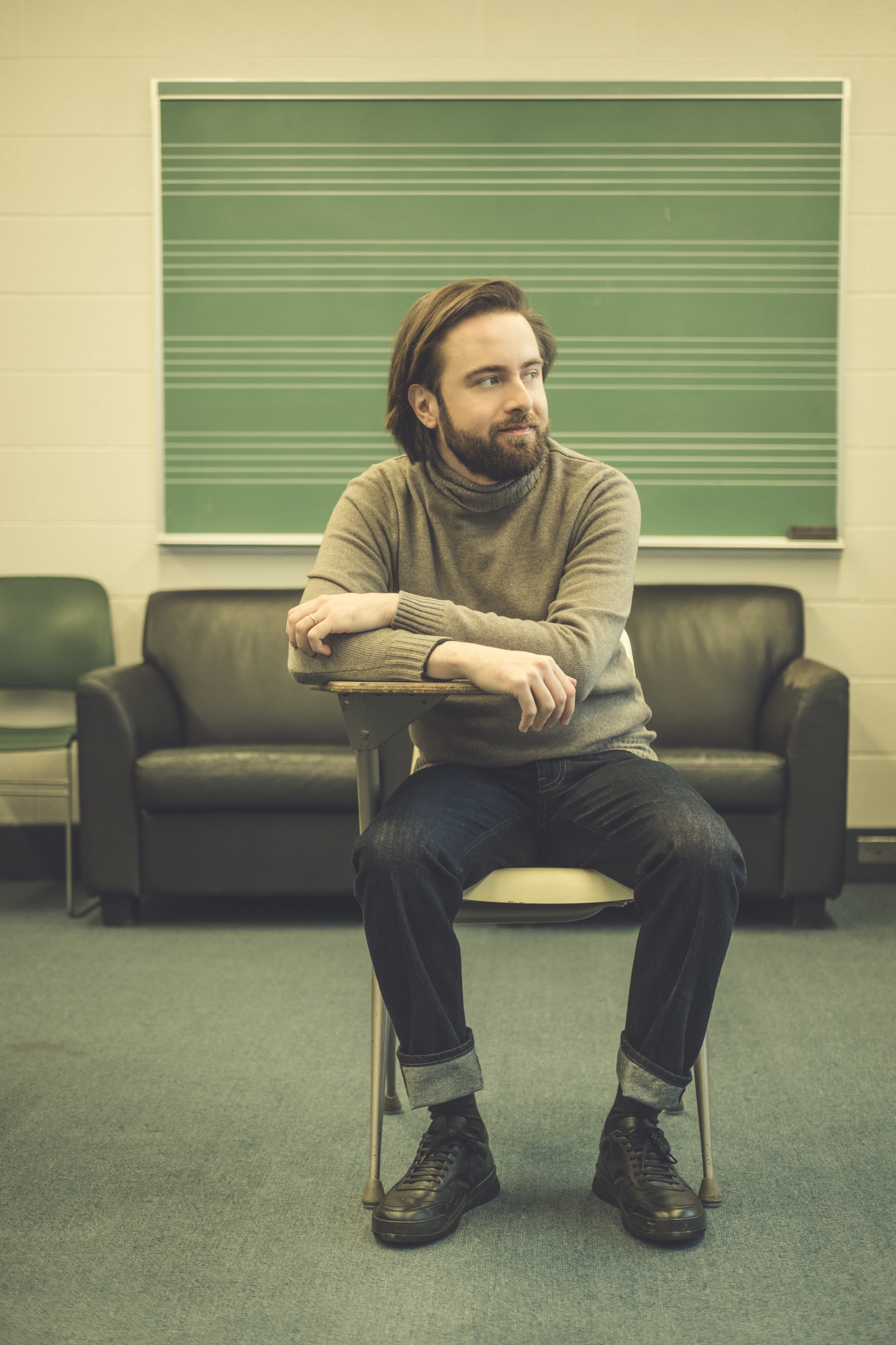

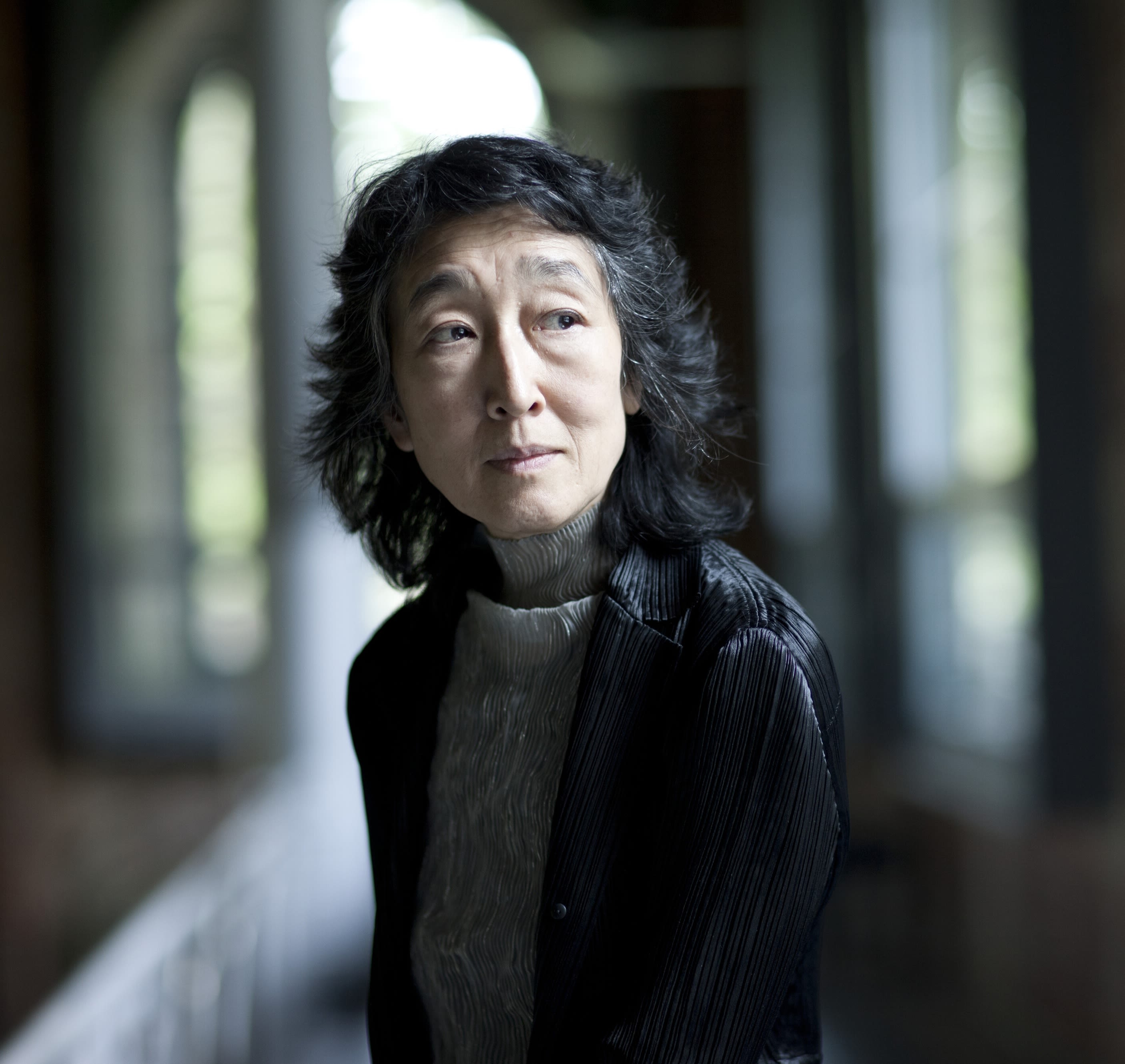

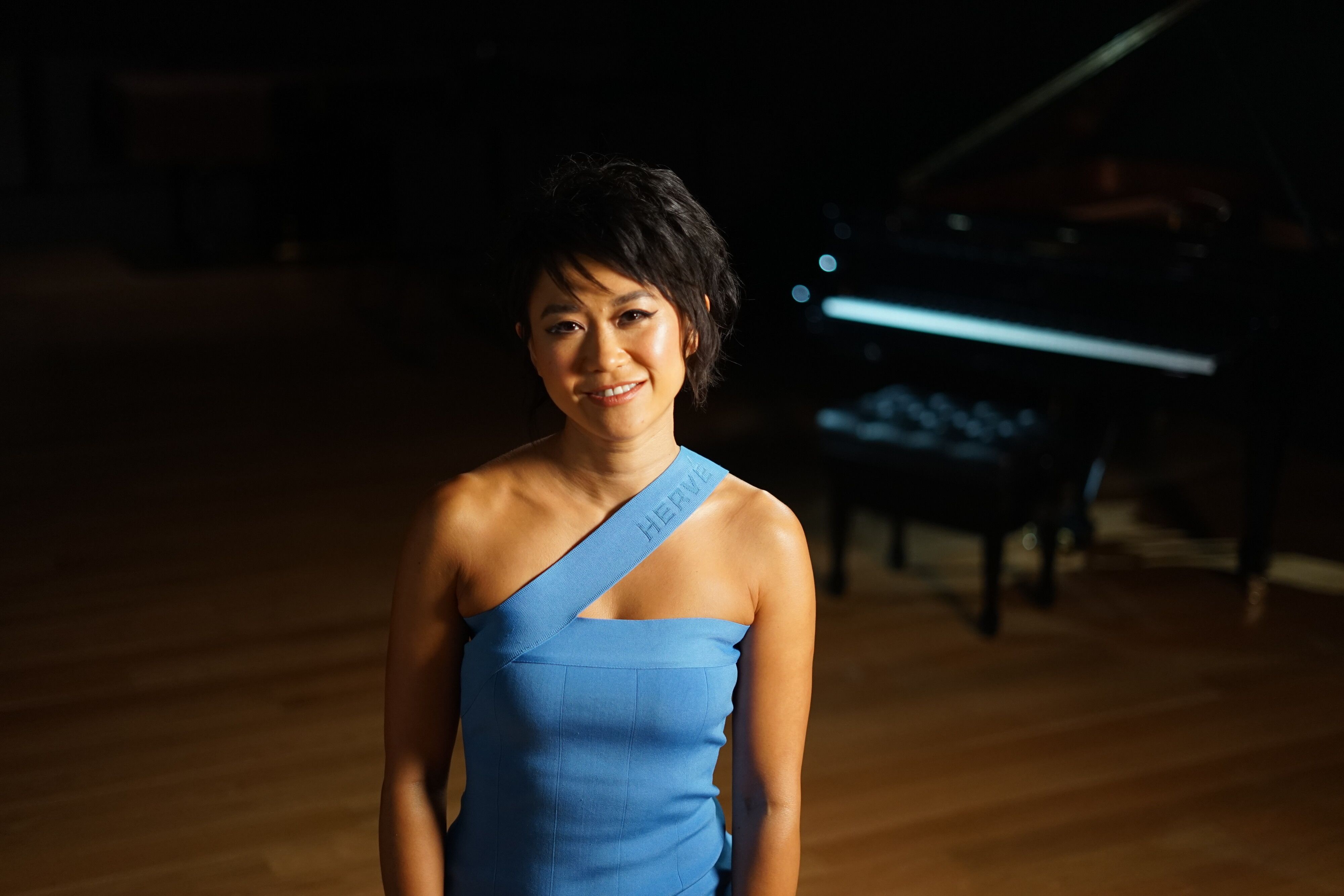

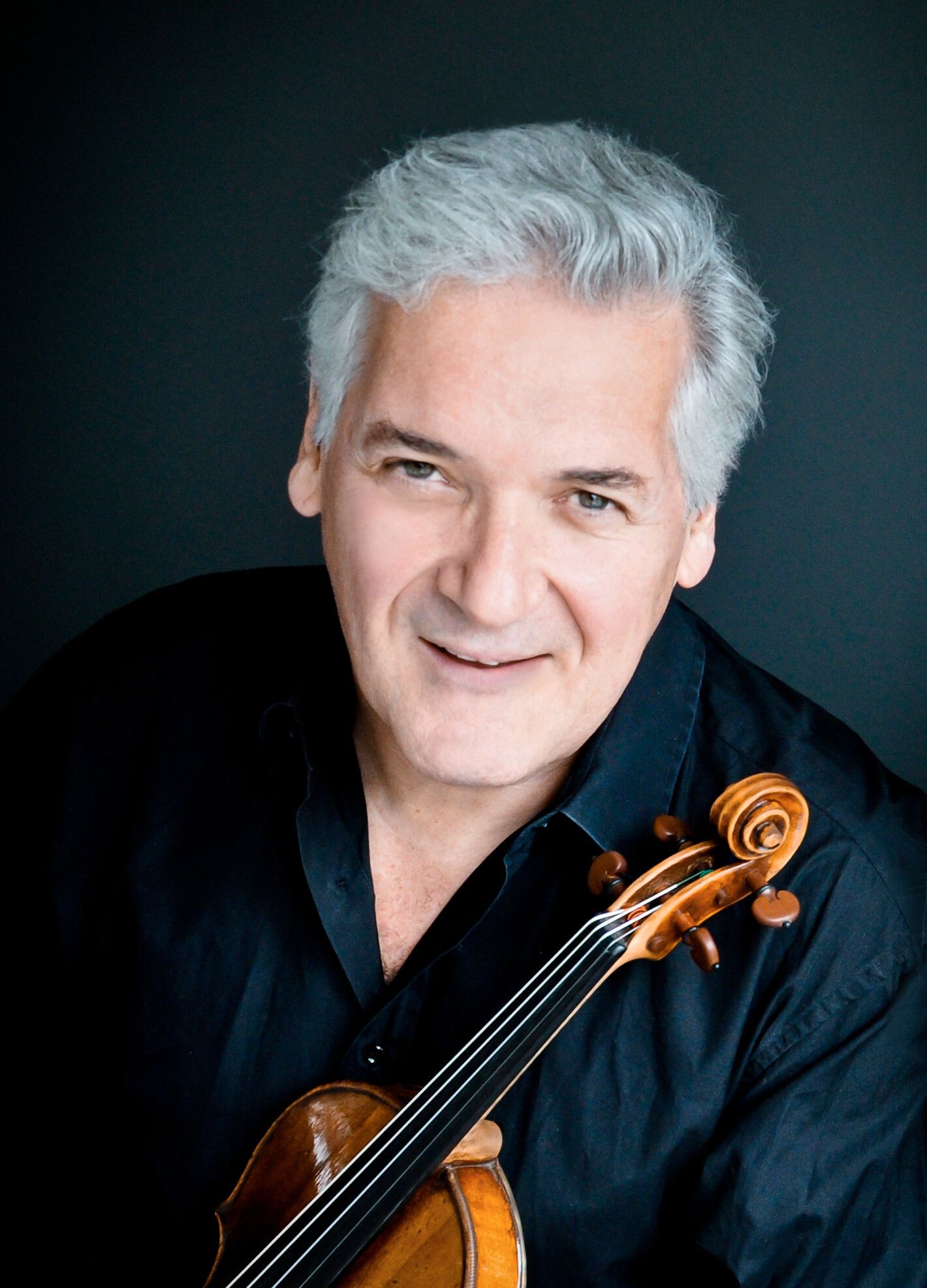

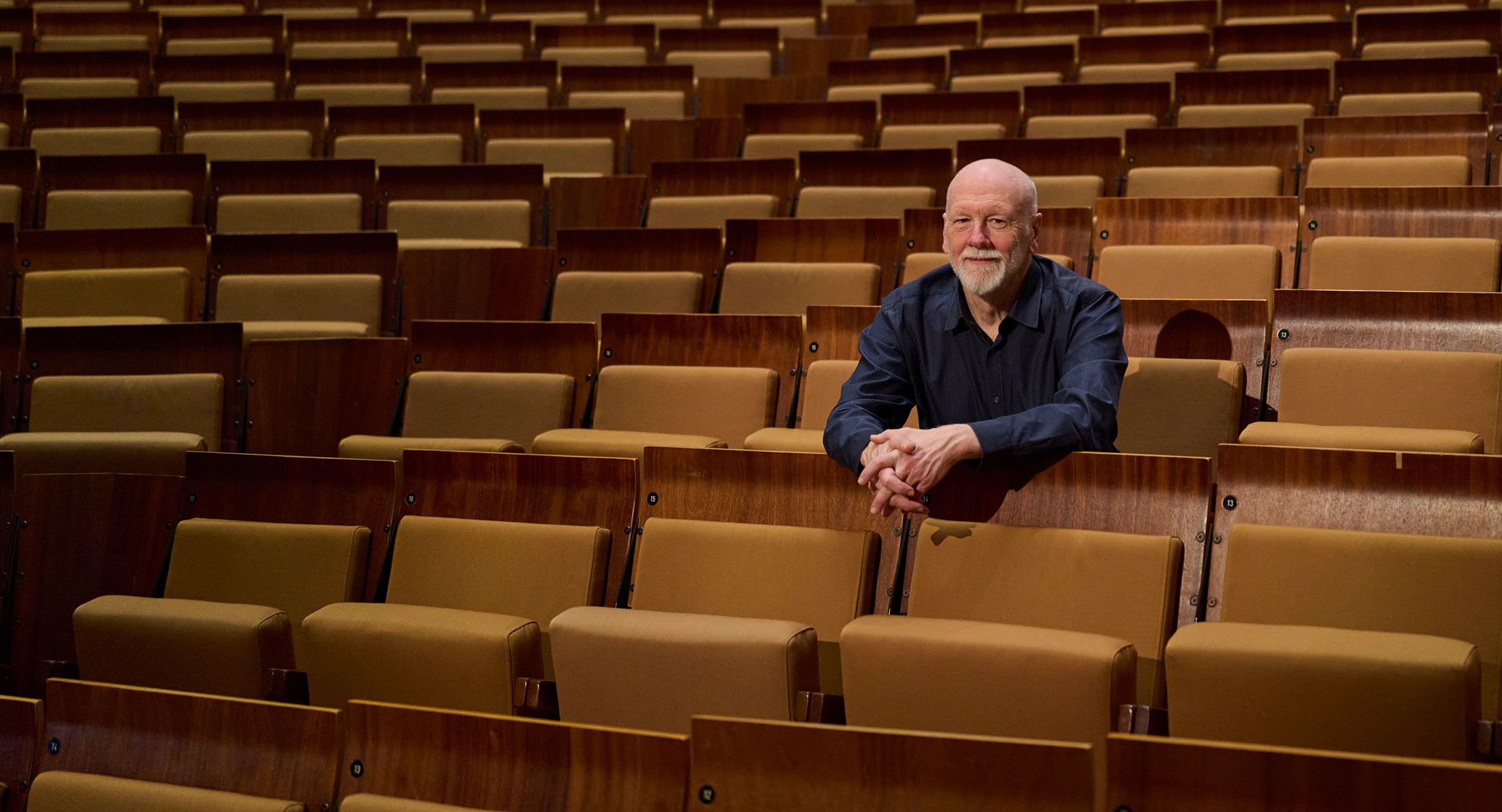


Brett Dean
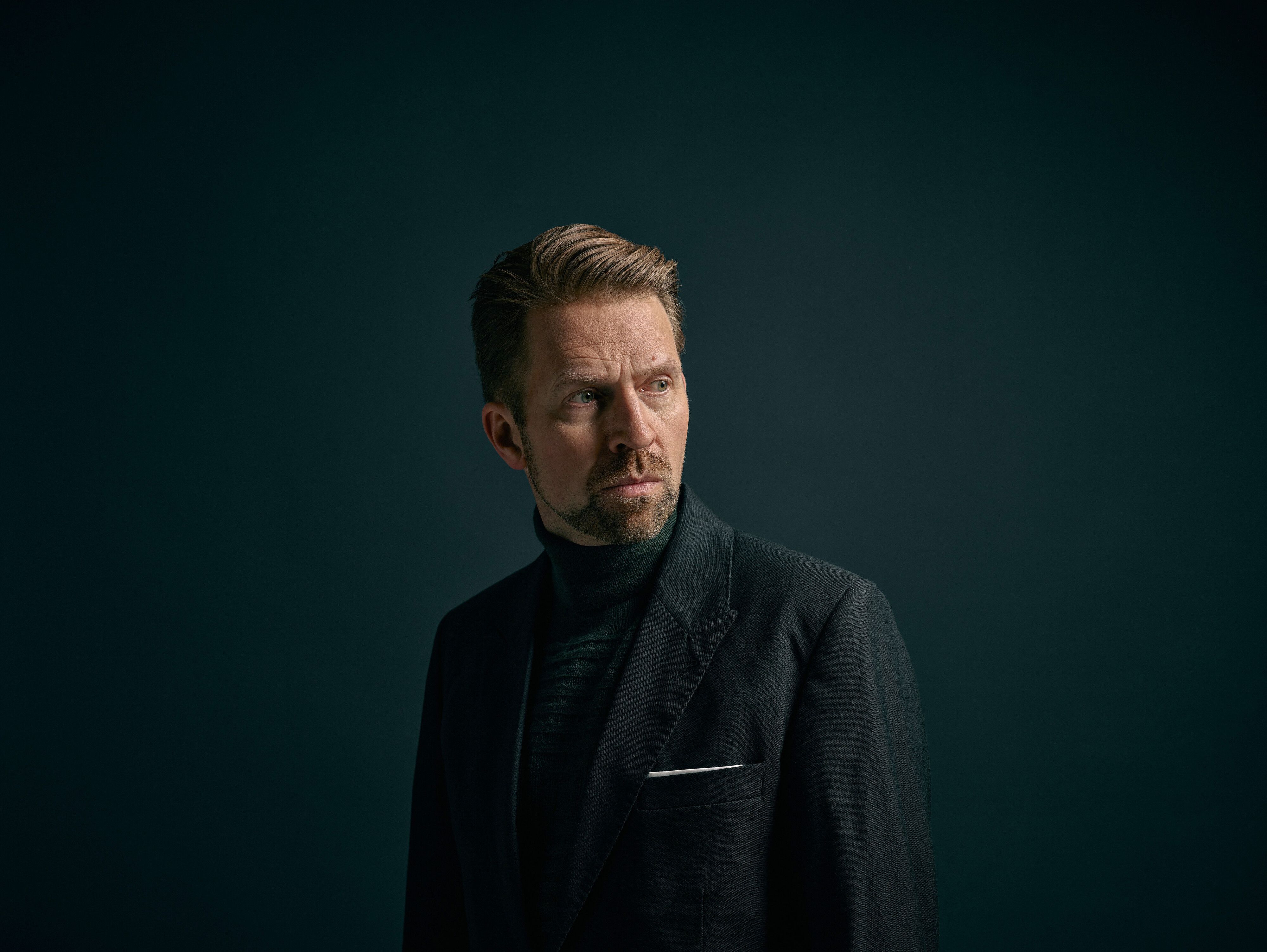
Composer in Residence
As a violist with the Berliner Philharmoniker, Brett Dean led a double life – composing and improvising in Kreuzberg clubs. In 1999, after 14 years with the orchestra, he left to pursue a high-profile international career in composition.
In the 2026/27 season, Brett Dean returns to his erstwhile orchestra as Composer in Residence. The season features inventive works that extend the expressive possibilities of orchestral instruments, combining intricate construction with a bold sense of colour. Both muscular and sensual, his scores are shaped by his experience with the Berliner Philharmoniker. “The sound of this orchestra is still inside me when I compose,” he says.
In conversation with Brett Dean
Biennale
“Signs & Wonders”
What do we believe? Which spiritual forces, which values guide us? This question runs through many great works of music and remains timeless in its urgency. In our biennial Signs & Wonders – on faith, hope and doubt, we explore questions of transcendence and belief through a programme that brings together a wide range of genres, sounds and perspectives. Major sacred works such as Beethoven’s Missa solemnis can be experienced here alongside a Late Night concert that reimagines the music of Hildegard von Bingen for our own time.


How to plan a season
Interview with General Manager Andrea Zietzschmann
A conversation with the general manager of the Stiftung Berliner Philharmoniker about designing a season and balancing tradition, discovery and artistic development.
How do the programmes of a season come together? Do the ideas come more from the conductors, the orchestra, or is it more like a game of ping‑pong?
AZ: It really is a mix of all these elements. We meet regularly in a planning group in which the orchestra and media boards, head of programme planning Annette Mangold, and a member of the Fünferrat come together. Of course Kirill Petrenko joins us for his own projects.
We begin by looking at possible thematic focuses: Is there a festival such as the Biennale? Who would we like to invite as Artist or Composer in Residence, and which composers do we wish to commission? What additional accents do we want to set, and which programmes will go on tour? At the same time, it is also about creating a balanced and attractive distribution of repertoire across 120 concerts per season – programmes that will inspire the audience while also challenging the orchestra artistically, from the core repertoire of the Classical and Romantic periods to modern and contemporary music. In this way, a mosaic that works without repetitions and at the same time offers appropriate repertoire for debut artists gradually emerges.
We set out our wishes for conductors and soloists, and they share theirs – then the exchange of ideas and repertoire discussions begin, until everything fits. With the exception of world premieres, hardly anyone wants to conduct works that they are performing for the first time with the Berliner Philharmoniker.
Which repertoire is particularly important to the Berliner Philharmoniker?
AZ: The classical repertoire is absolutely essential – Mozart and Beethoven, and also Haydn. Classical works are crucial for the orchestra’s precision and discipline. Many conductors have particular respect for Mozart. In the Baroque field, we usually plan one programme per season with exponents of historically informed performance practice.
Then there are works by Schumann, Mendelssohn, Brahms, Mahler, Bruckner, Strauss, Shostakovich, Stravinsky, Tchaikovsky – the great symphonists and, of course, the key figures of classical modernism. But the German repertoire from the Classical period to the Late Romantic era is central to the orchestra’s work.
How far in advance do you plan?
AZ: Our Easter Festival is planned through 2030, including a Ring cycle by Wagner and Schönberg’s Moses und Aron. We have international tours and our Europakonzert mapped out until 2030 – these simply require long lead times. We already know who our Artist in Residence will be for the 2027/28 season, and we have someone in mind for 2028/29. We also try to secure highly sought after guest conductors such as Gustavo Dudamel or Yannick Nézet Séguin well in advance.
If conductors return regularly, is there a shared long‑term planning process?
AZ: With long standing guests such as Tugan Sokhiev, Emmanuelle Haïm or Daniel Harding, we do in fact plan together over several years and consider which projects would be exciting.
How do you decide who becomes Artist or Composer in Residence?
AZ: For the Artist in Residence, it is crucial that we know one another, that there is mutual artistic respect and a desire for closer collaboration – chamber music, orchestral concerts, projects with the Education team and the Karajan Akademie. And naturally, Kirill Petrenko is closely involved in this decision.
Suggestions come from the planning group, and now also increasingly from the orchestra. For the Composer in Residence, we look at whether we already have an artistic relationship. Who brings which compositional impulses, and who writes compellingly for a large orchestra? Brett Dean certainly has a special status in the coming season – as a former violist of the Berliner Philharmoniker, he knows the orchestra from the inside, and as an internationally established composer he will take the orchestra’s exceptional qualities into account in his new work.
How do you decide about debuts, and who is involved in that process?
AZ: That also takes place in the planning group. We are in regular communication with Kirill Petrenko, the boards and Annette Mangold. We observe the field closely, attend concerts of conductors we have not yet heard, and follow their development.
The timing for a debut is crucial: no one should be invited too early, and an artist should have gained experience – and of course bring significant talent. An unsuccessful debut can often be difficult to correct.
What are you personally looking forward to in the coming season?
AZ: Every project with Kirill Petrenko! We have been waiting a long time for his interpretation of Tchaikovsky’s Fourth Symphony – the Fifth and the Pathétique were outstanding, and now the trilogy will be complete.
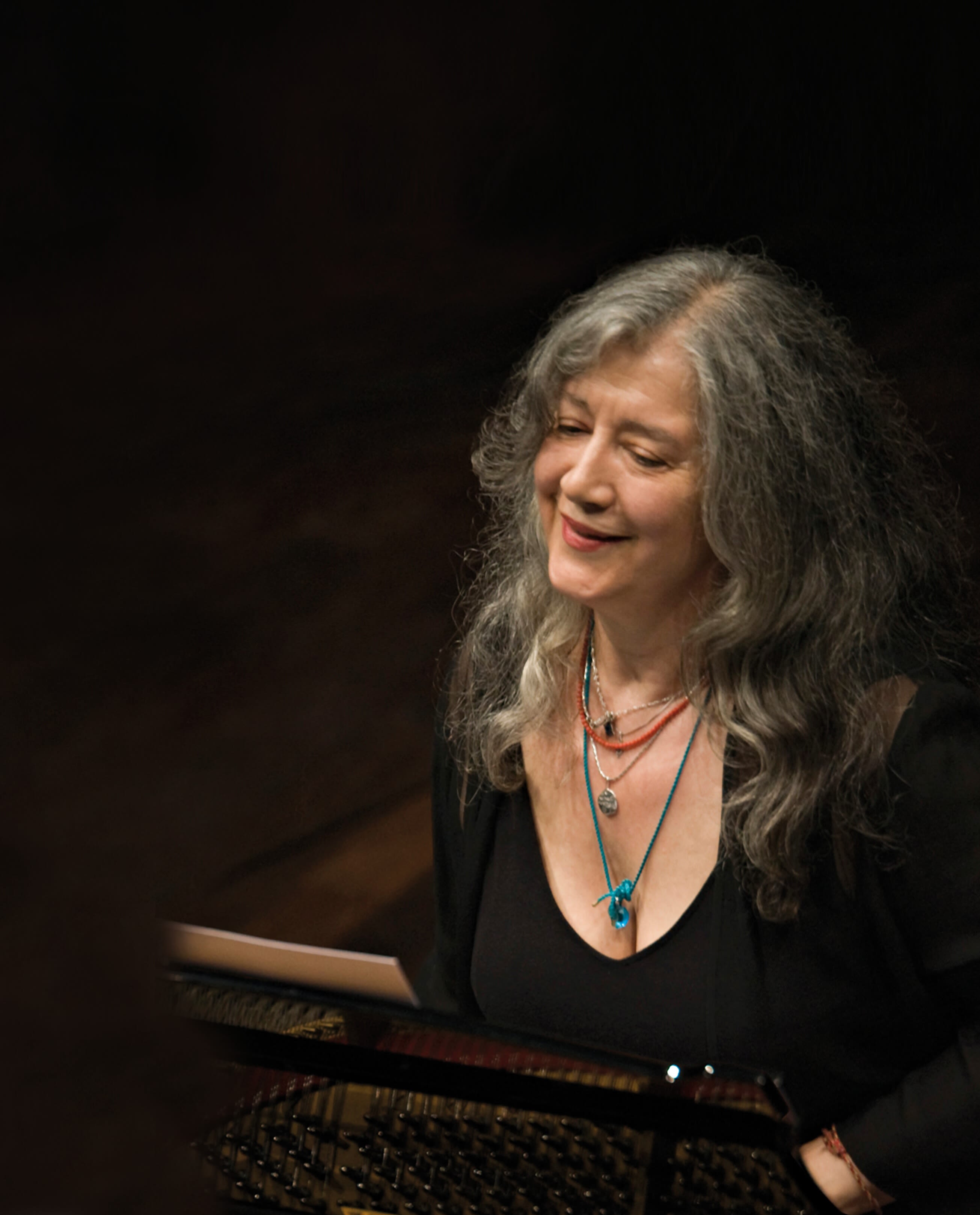
I am looking forward to Humperdinck’s opera Hänsel und Gretel – a heartfelt wish of Kirill Petrenko to mark the 25th anniversary of the Education & Outreach programme. I am very curious about new repertoire, such as the premieres by Sarah Nemtsov, Cathy Milliken and Brett Dean, who will conduct his own works at Musikfest Berlin. I am also very much looking forward to the 25 concerts of the Biennale and the many varied formats we offer in this festival – and to hearing Lili Boulanger’s cantata Faust et Hélène for the first time. I am excited about meeting artists such as Martha Argerich again, and many others with whom friendships have developed over the years.
But if I had to highlight just one project, it would be Die Walküre under the direction of Kirill Petrenko at the Easter Festival in Salzburg, and then in concert form in Berlin.


Debuts
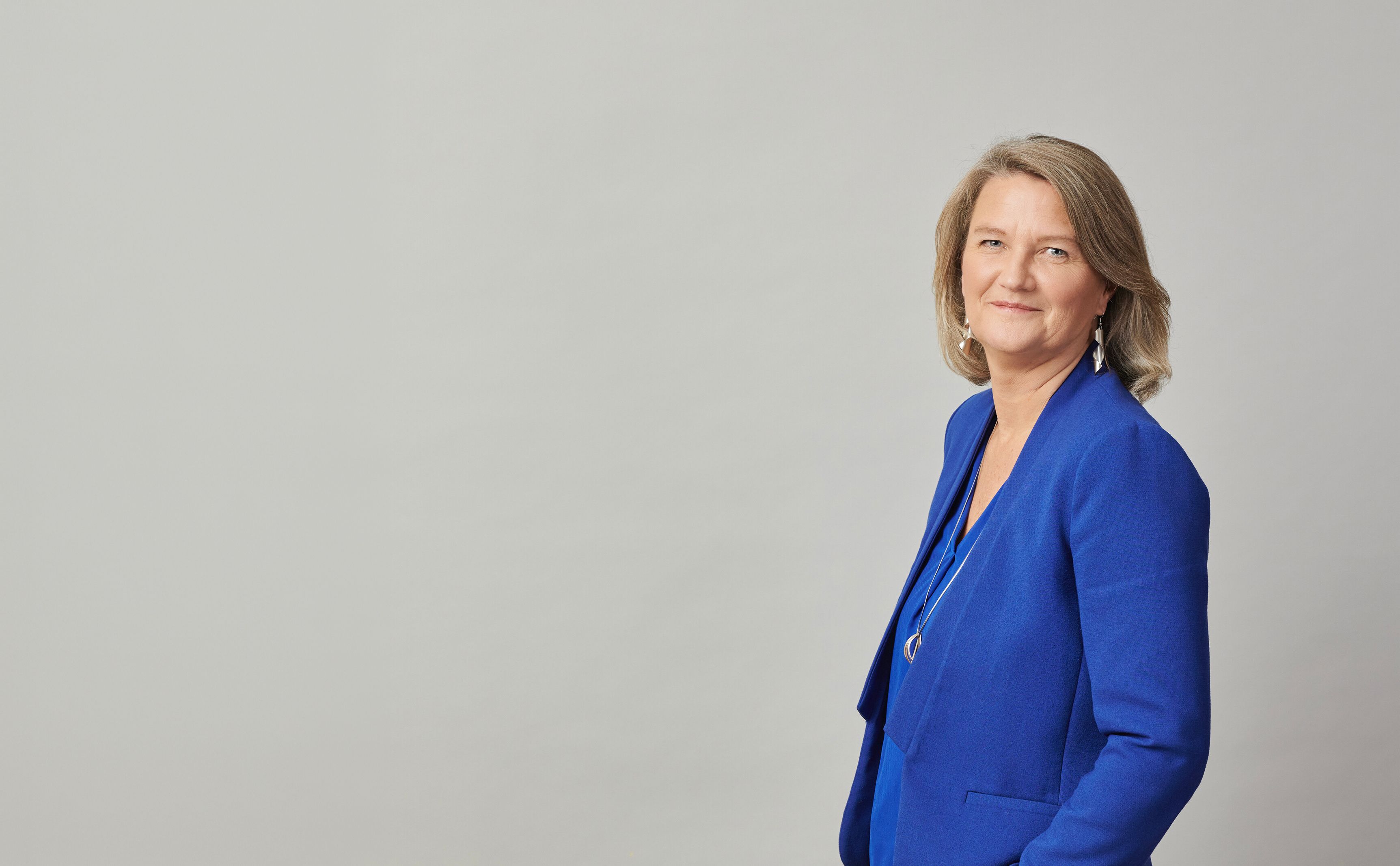
Click on the portraits to learn more.

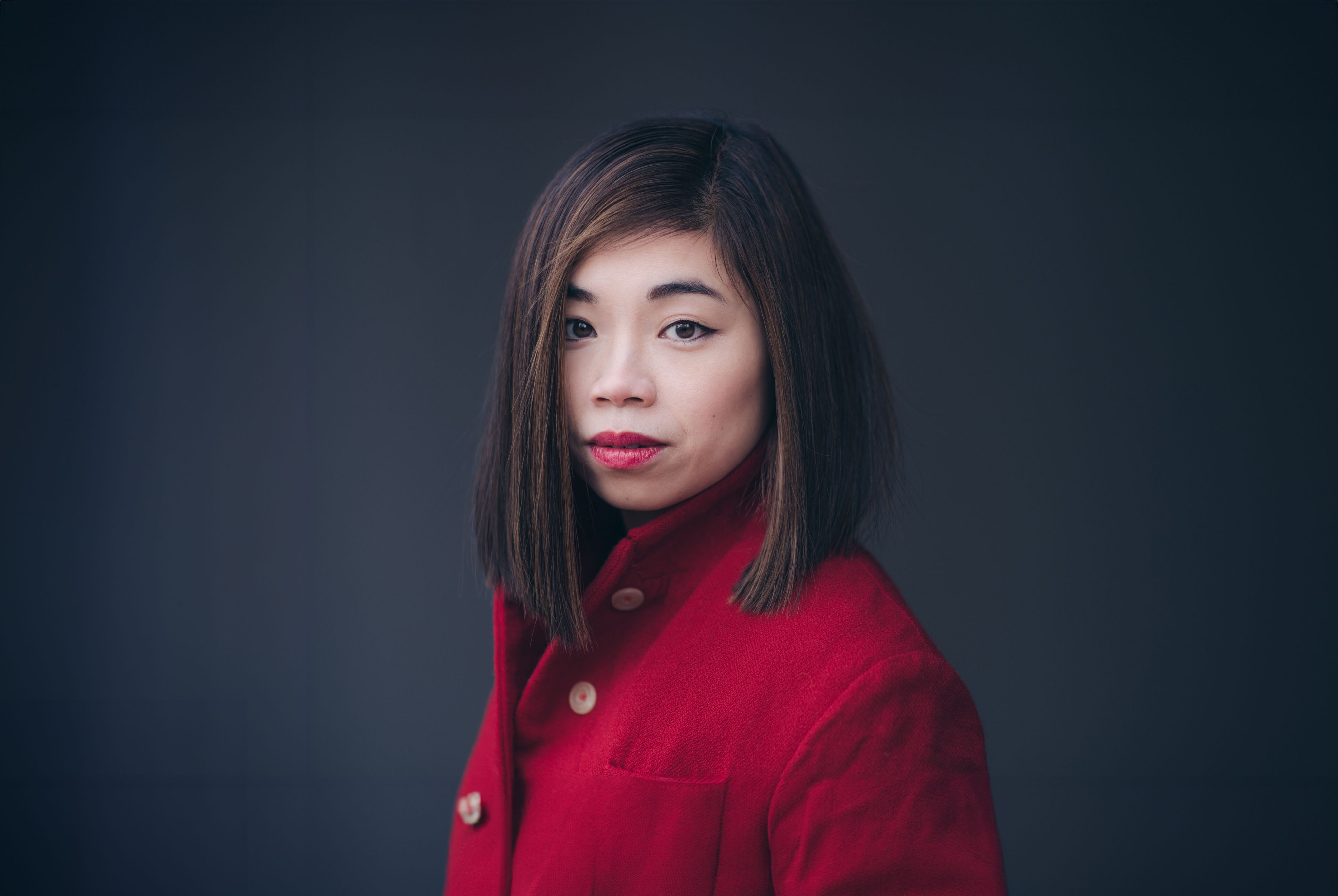
Elim Chan
Conductor
Elim Chan describes her work as “a blend of top‑level diplomacy and energising inspiration”. Born in Hong Kong, the conductor studied in the United States at Smith College and later at the University of Michigan, and is now among the most sought‑after orchestra leaders of her generation. Following her acclaimed debut with the Boston Symphony Orchestra, the Boston Classical Review praised her enthusiastically as “a marvel of control and understanding”. Spectacular debuts soon followed, including at the Salzburg Festival, with the Royal Concertgebouw Orchestra, the orchestras of San Francisco and New York, and with the Staatskapelle Berlin.

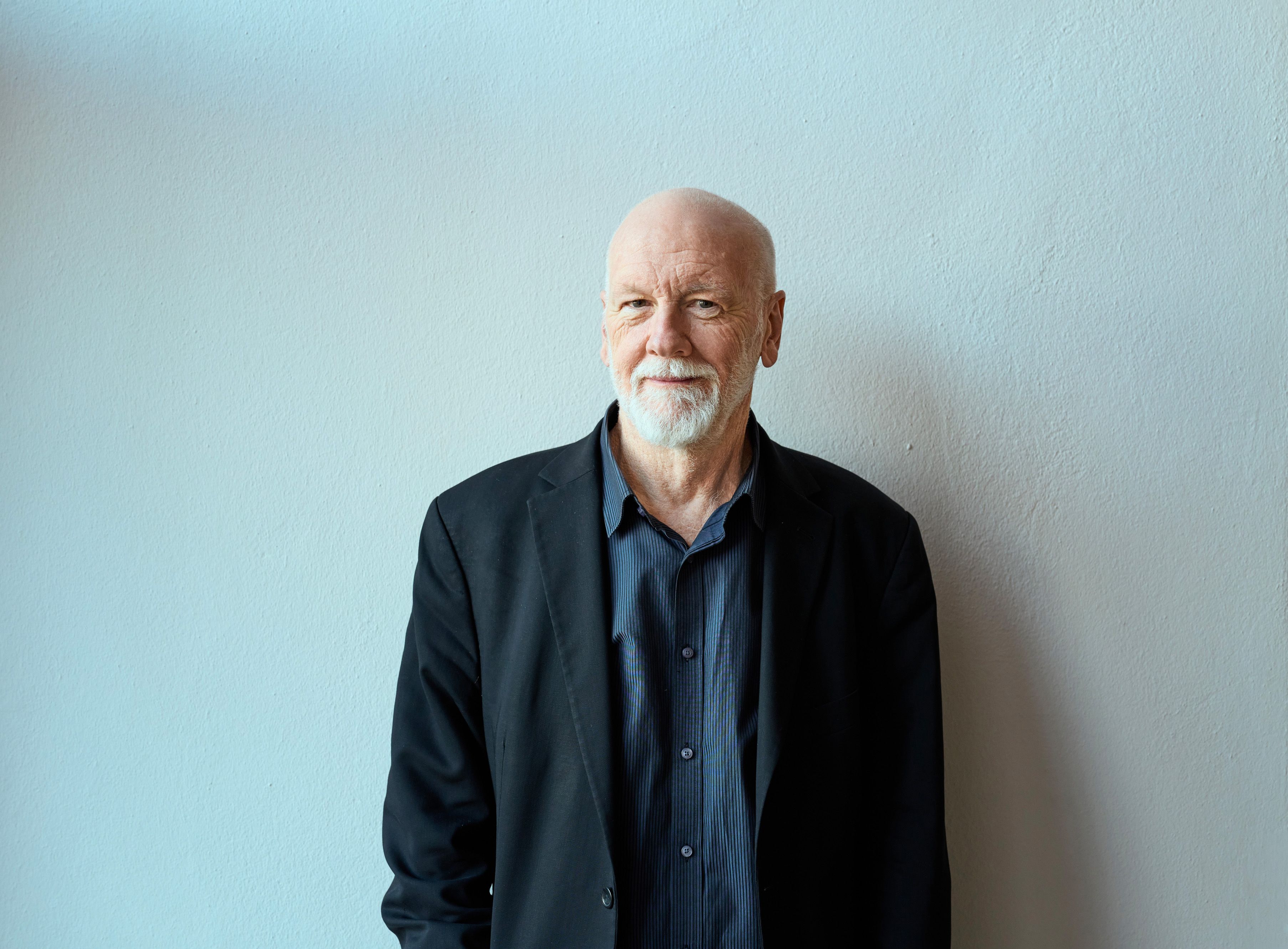
Brett Dean
Conductor
“There are social issues that move me,” says Brett Dean. “And as a composer, I try in my own way to reflect on these themes.” Brett Dean studied viola in his hometown of Brisbane before moving to Germany in 1984, where he spent fourteen years as a member of the Berliner Philharmoniker. It was during this time that he began composing. His music is championed by many leading orchestras and conductors, among them Sir Simon Rattle, Vladimir Jurowski, Simone Young, Daniel Harding and Andris Nelsons. Many of Dean’s works draw on subjects from literature, politics, the environment and the world around us, as well as visual art. In the 2026/27 season he is the Berliner Philharmoniker’s Composer in Residence.


Yunchan Lim
Pianist
“I want to express the beauty of music as it is, without adding unnecessary emotion,” said Yunchan Lim – after winning the gold medal at the 2022 Van Cliburn International Piano Competition at the age of 18, becoming the youngest participant ever to do so. Indeed, the South Korean newcomer performs even grand Romantic music with disciplined restraint. Lim, who began playing the piano at the age of seven, trained at the Seoul Arts Center Music Academy before moving, at thirteen, to the Korea National Institute for the Gifted in Arts, which offers highly individualised musical education for exceptionally talented young musicians.

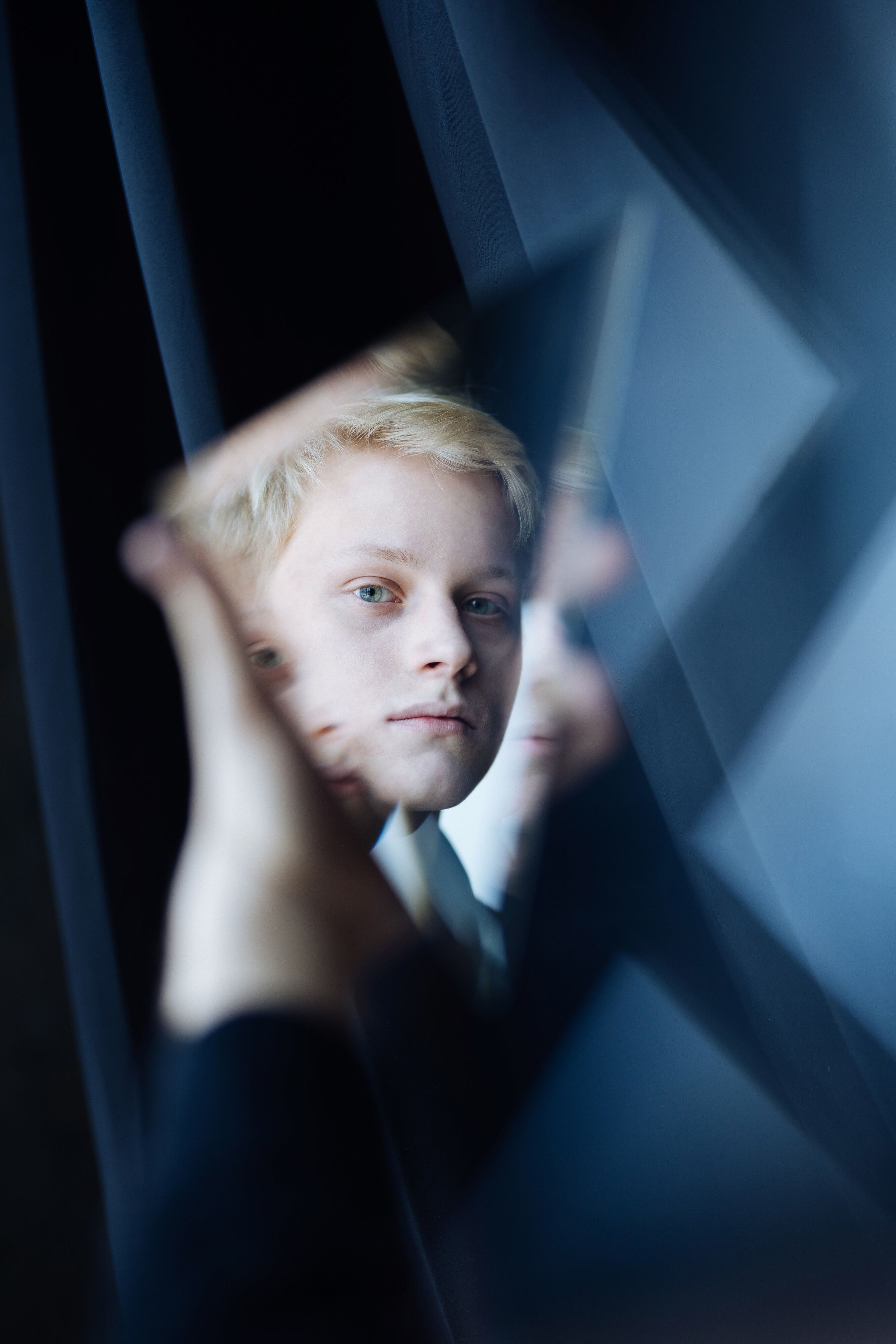
Alexander Malofeev
Pianist
Alexander Malofeev (born 2001) creates “emotional realities that are so magical, so varied and so intense that they pull the ground from under your feet and take your breath away” (Der Standard). Malofeev studied at legendary institutions such as the Gnessin Special School and the Tchaikovsky Conservatory in Moscow. In 2014, at just thirteen years old, he won first prize and the gold medal at the International Tchaikovsky Competition for Young Musicians. Today, Malofeev appears with leading orchestras, at international festivals and in renowned piano series.

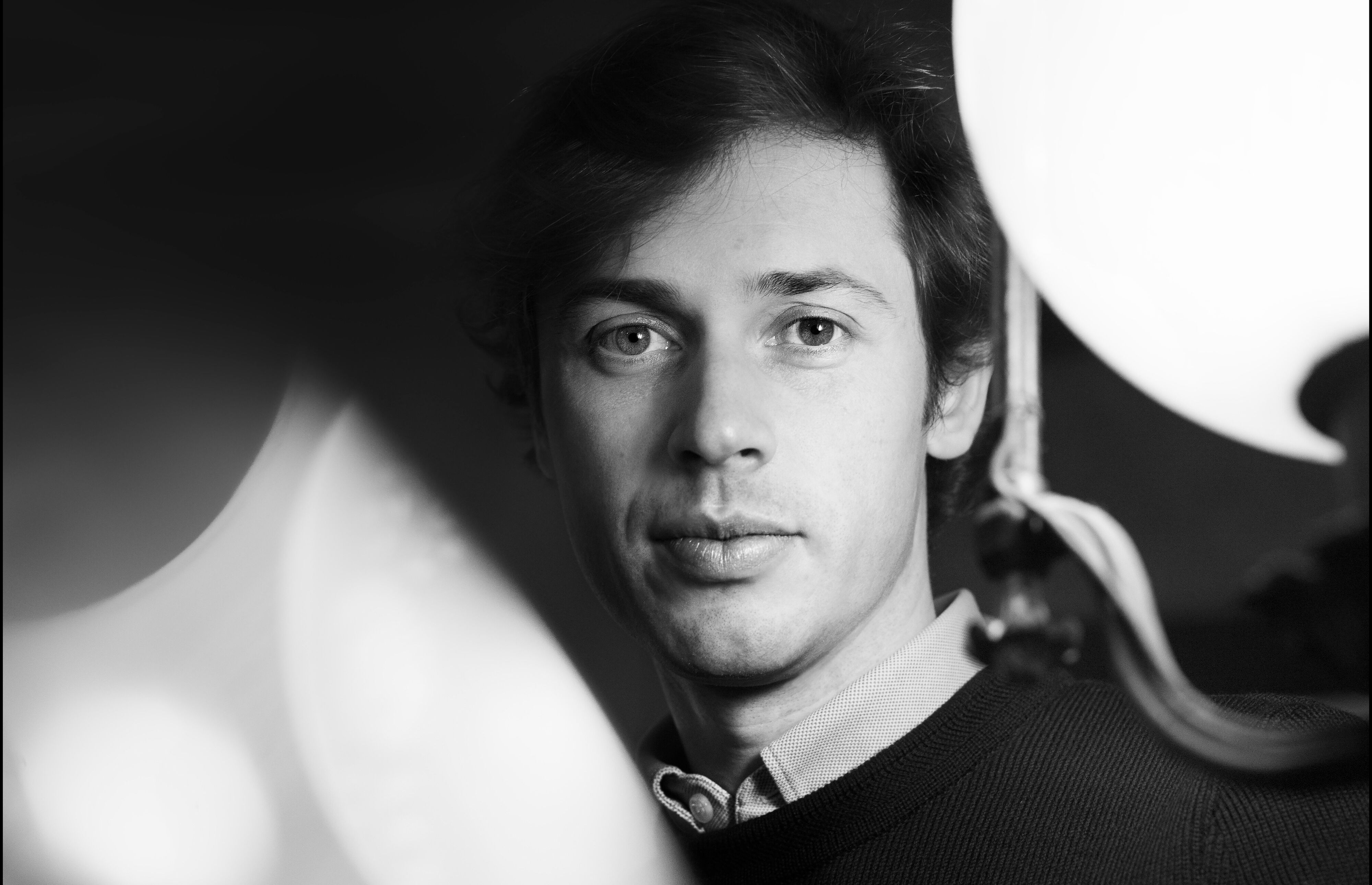
Maxime Pascal
Conductor
Why did he become a conductor? “Because that way I’m truly in the middle of the orchestra,” says Maxime Pascal, who received the Herbert von Karajan Young Conductors Award in 2014. He is now Music Director of the Helsingborg Symphony Orchestra and Principal Guest Conductor of the orchestra of the Deutsche Oper Berlin. In 2008, he also founded the visionary music and arts collective Le Balcon, which combines music, electronics, light, video and spatial concepts in its performances.

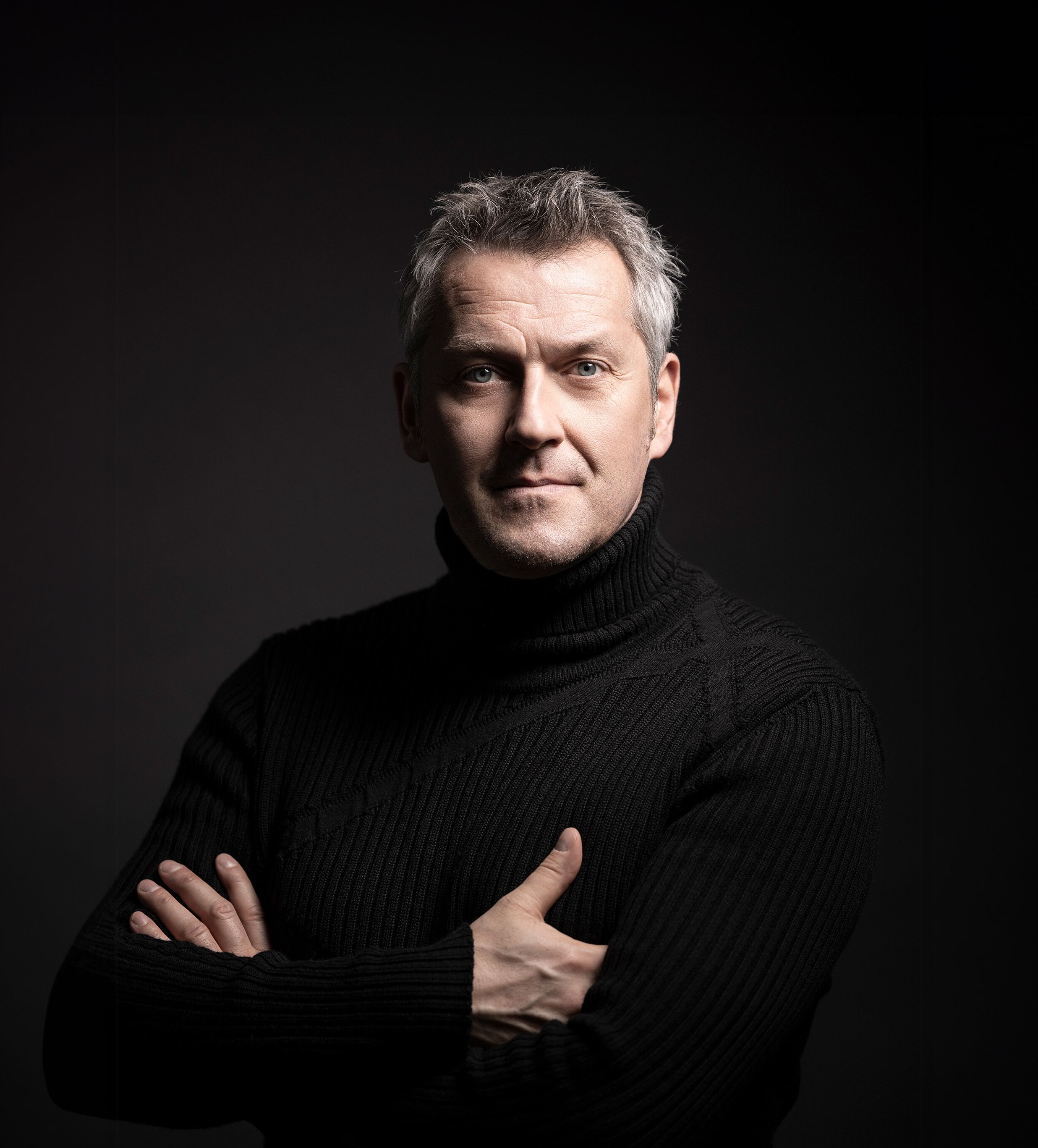
Markus Poschner
Conductor
He is a bundle of energy on international stages and began his career as a jazz pianist: Markus Poschner. Born in Munich, he is the designated Chief Conductor of the ORF Vienna Radio Symphony Orchestra and the designated Music Director of the Utah Symphony Orchestra. Poschner also recently took up the position of Chief Conductor of the Basel Symphony Orchestra: “As chief conductor, my aim is to develop a shared vision.”
25 years
Education & Outreach
For 25 years, our Education & Outreach programme has been inspiring people of all ages around the world to engage with classical music, creating shared experiences, encouraging creativity and opening space for new ideas. Our participatory and family concerts once again promise vibrant energy and collective delight. The anniversary programme in early summer 2027 includes the opera Hänsel und Gretel with Kirill Petrenko, orchestral concerts with Yo-Yo Ma, digital discovery tours, the youngSTAR Festival and many other activities at the Kulturforum and across the city. Join the celebrations – 25 years are only the beginning!


The season in numbers


127
concerts
with the Berliner Philharmoniker
in Berlin and around the world
260
events
of the Berliner Philharmoniker Foundation – from orchestral concerts to world music, from chamber music to jazz and literature
67
composers
The Berliner Philharmoniker’s programme includes 116 works by 67 composers, ranging in duration from two minutes (Aria of Loris) to 232 minutes (Wagner’s Die Walküre).
343
guest artists
We welcome 34 guest conductors, 46 guest ensembles,
and 263 soloists in the coming season.



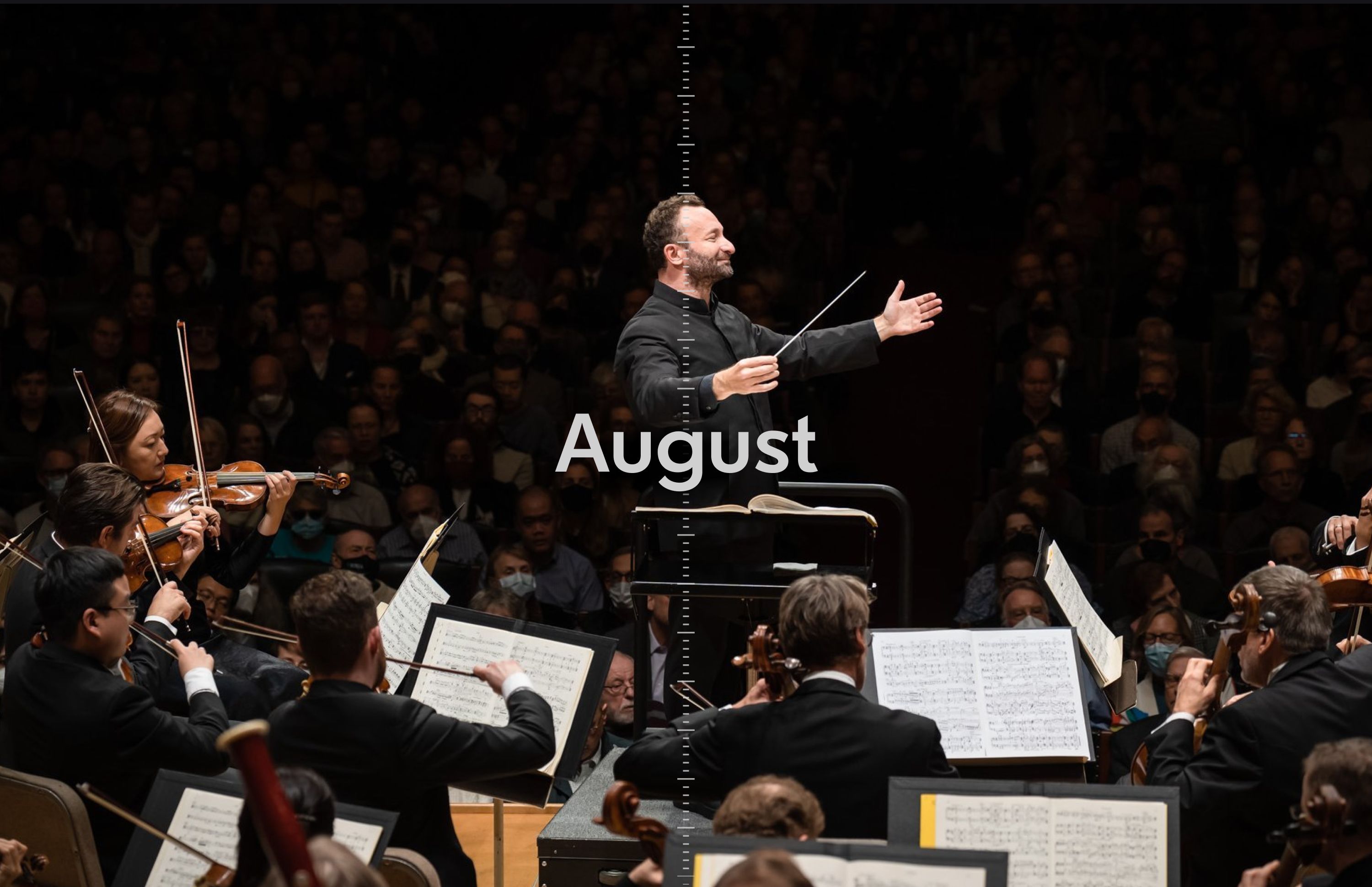

























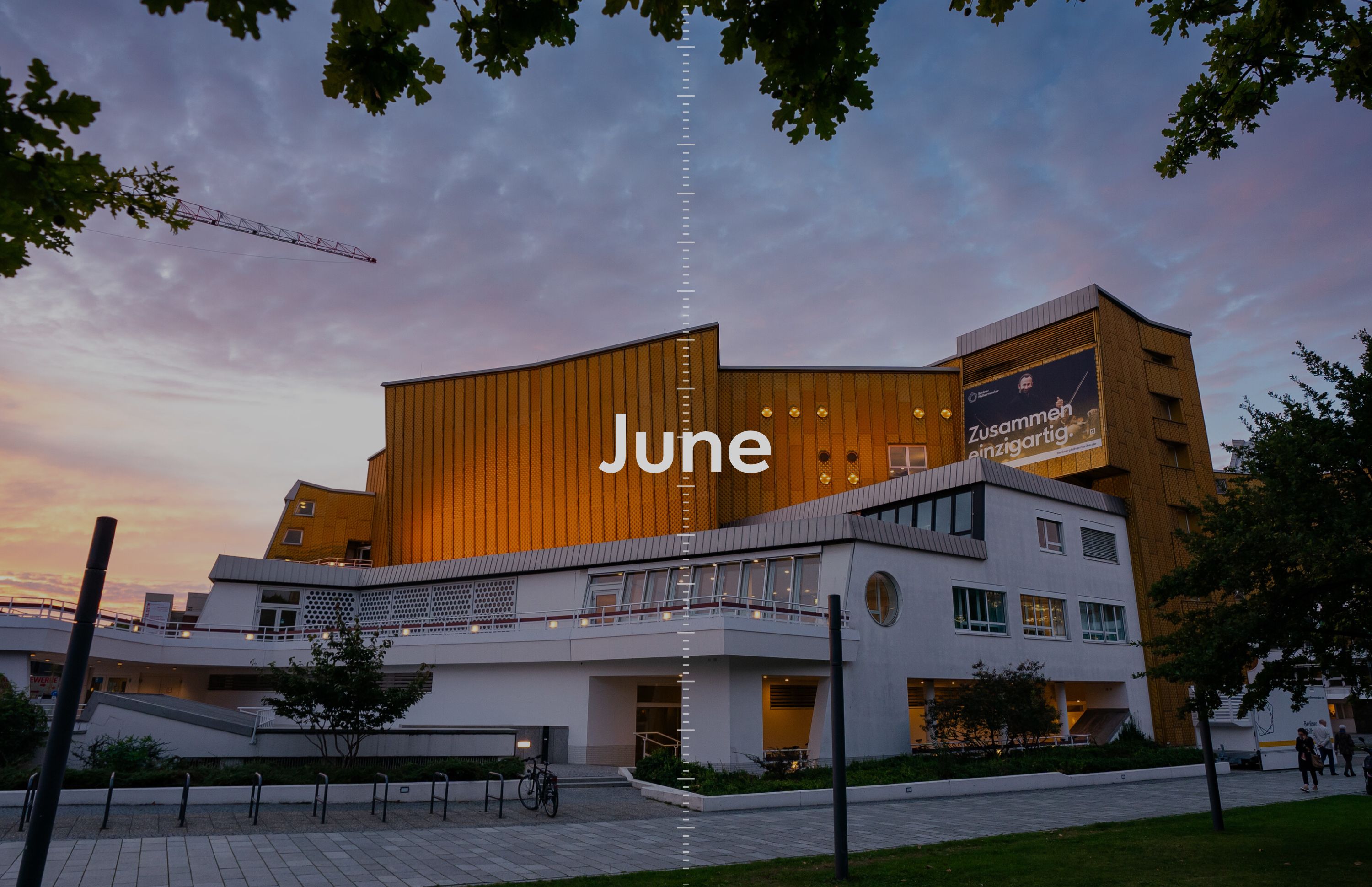


Season opening



Picture: Stephan Rabold
Picture: Stephan Rabold
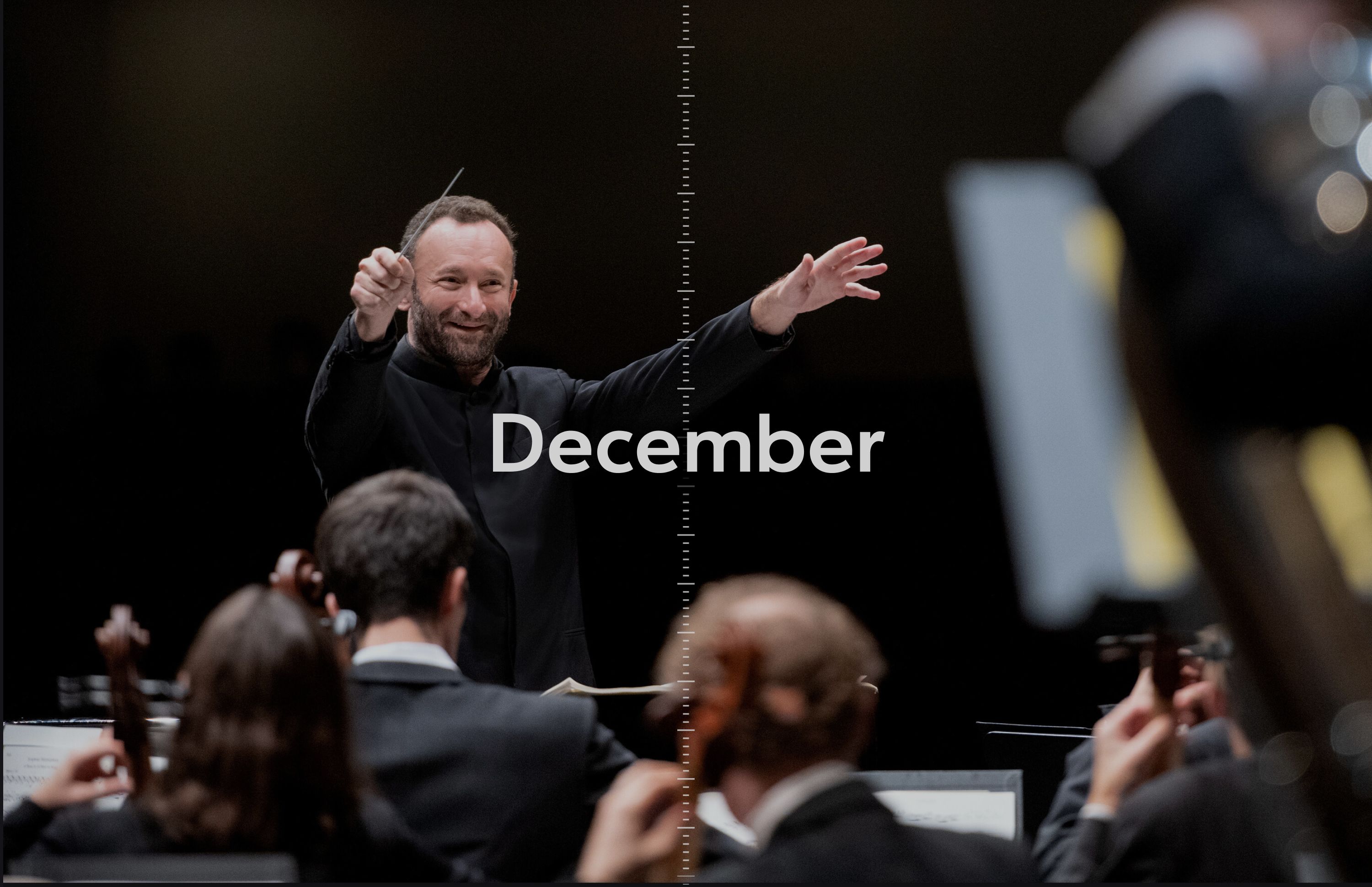
Kirill Petrenko conducts Edward Elgar’s Enigma Variations and Pyotr Tchaikovsky’s Symphony No. 4.
Festival tour



Picture: Stephan Rabold
Picture: Stephan Rabold
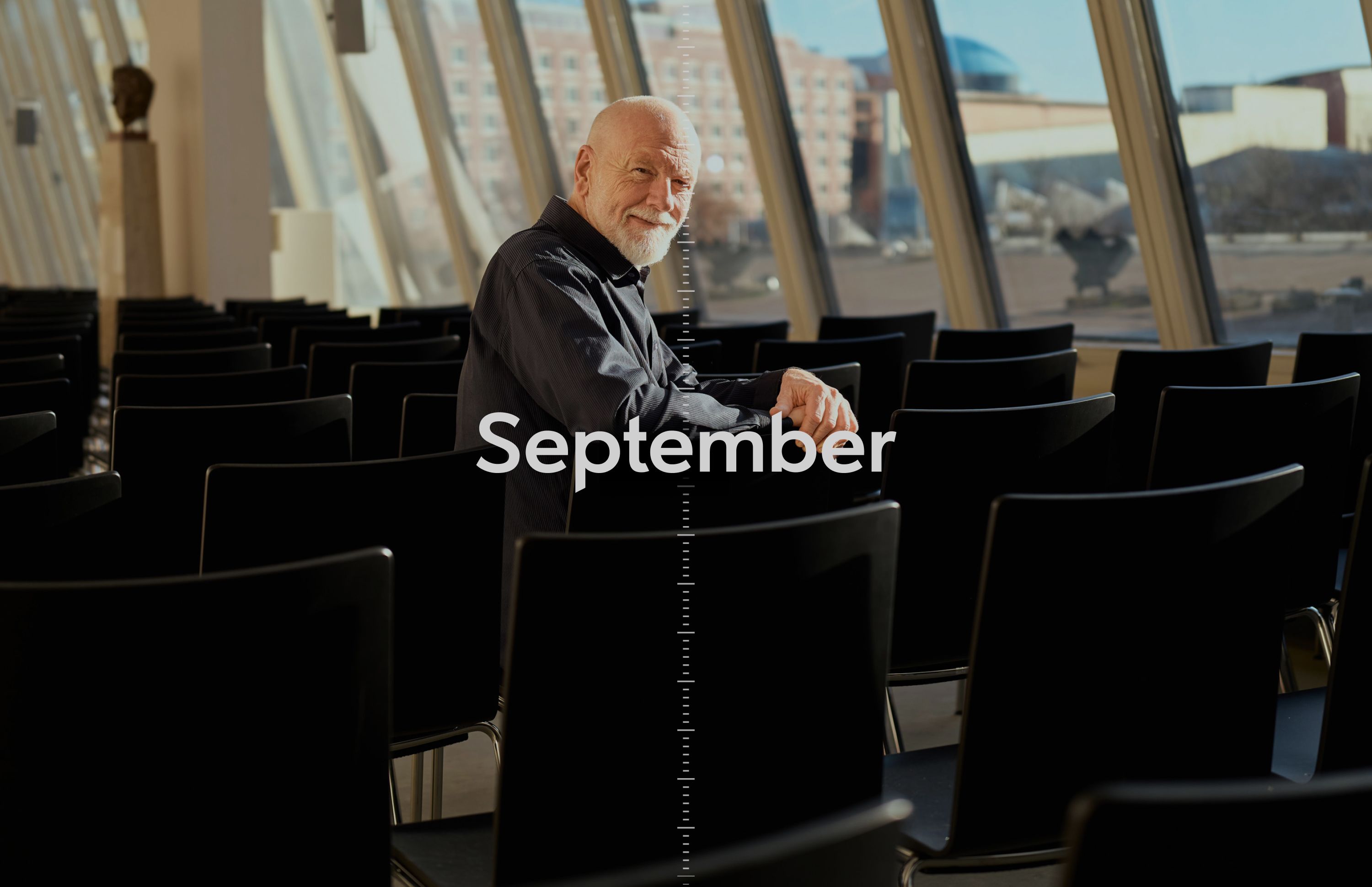
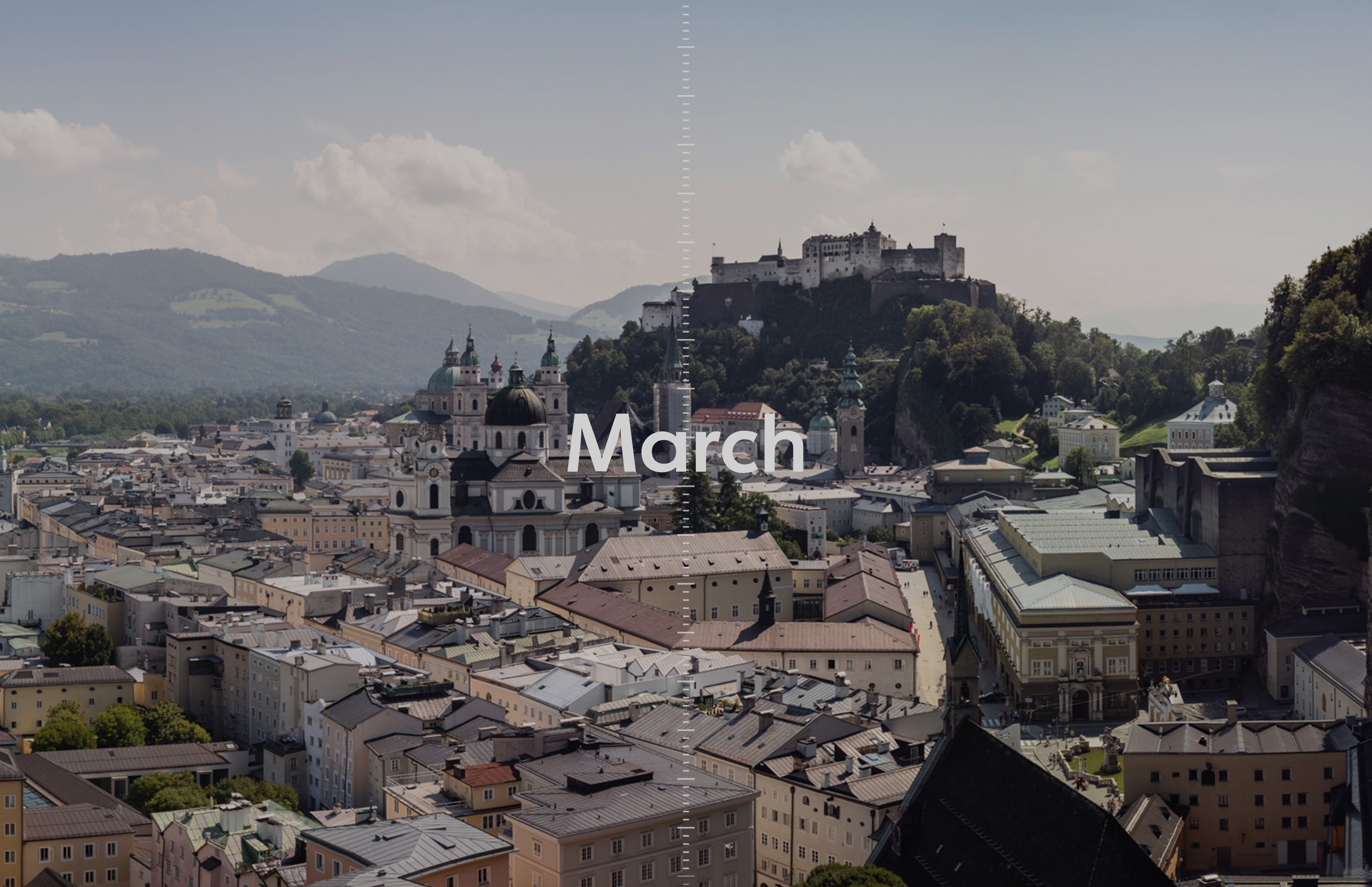
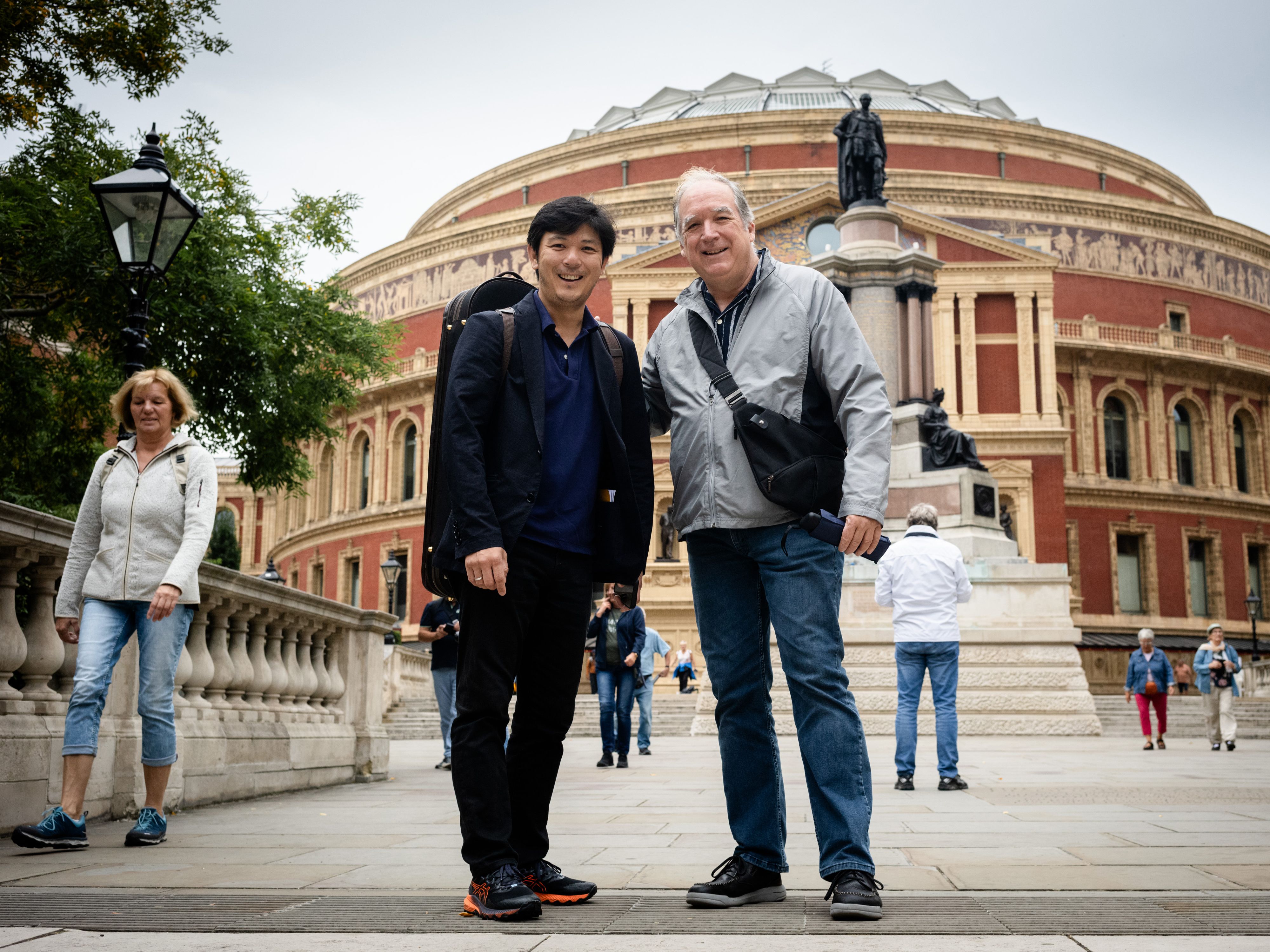
The traditional festival tour at the start of the new season takes the orchestra this year not only to Salzburg and Lucerne, as well as to London for the BBC Proms and, for the first time in two decades, to the Edinburgh International Festival.
Musikfest Berlin


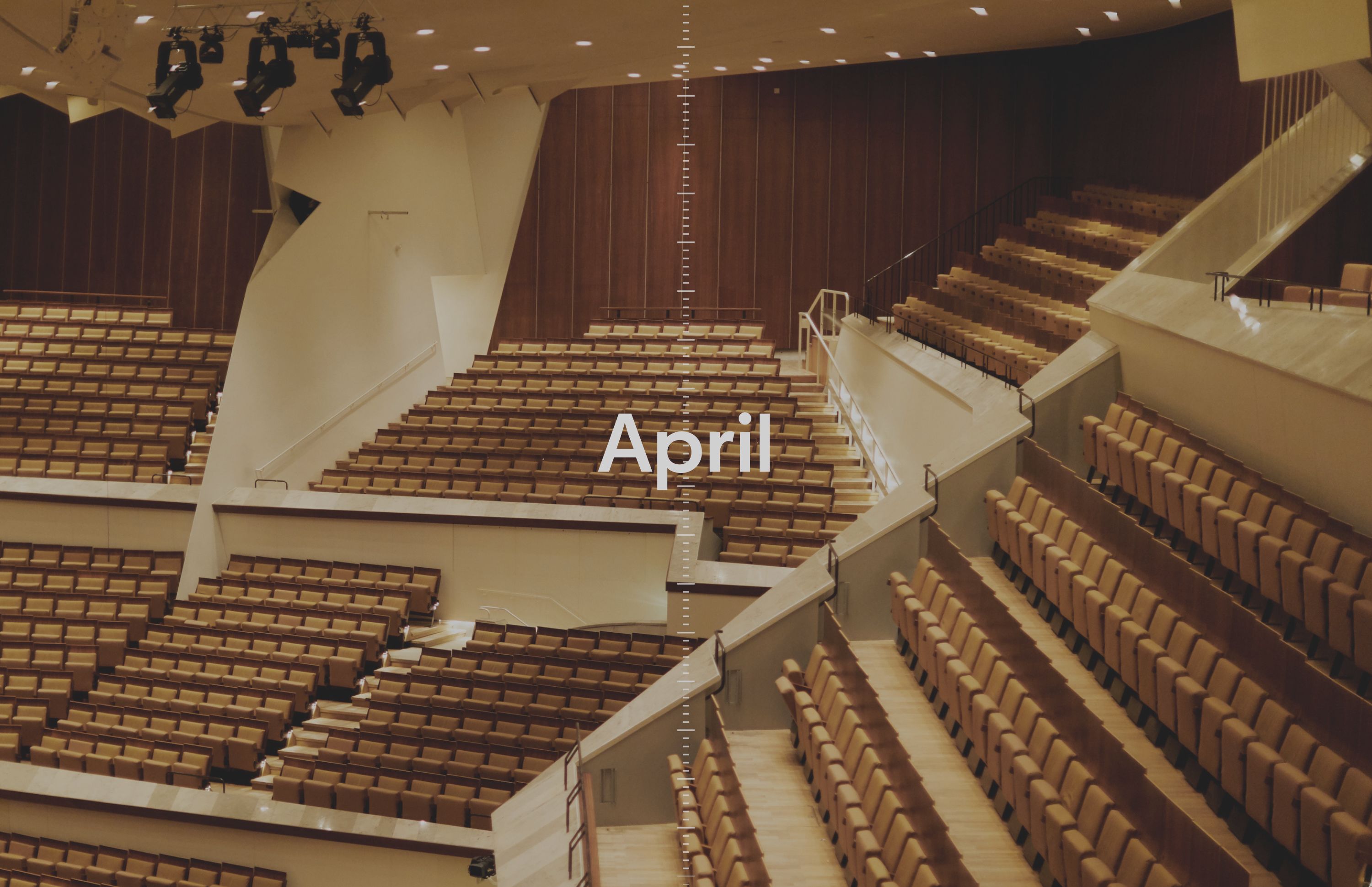
Meanwhile in Berlin, the Musikfest Berlin returns, presented by Berliner Festspiele in cooperation with the Stiftung Berliner Philharmoniker. Opening the Berlin concert season, it showcases not only the city’s major symphony orchestras but also numerous leading international ensembles, including the Vienna Philharmonic, the London Symphony Orchestra and the Finnish Radio Symphony Orchestra. The festival also marks the 75th anniversary of the Berliner Festspiele with wide-ranging programme references. The Berliner Philharmoniker will present concerts with Brett Dean and Simon Rattle, along with an organ matinée and a Late Night concert.
New format: “Satzwechsel”



Picture: Marianne Richert
Picture: Marianne Richert
In our new series, we bring music and literature together. In cooperation with the internationales literaturfestival berlin, we invite distinguished writers to join us. The opening event features Nobel laureate Han Kang. Members of the orchestra create a musical framework that expands and deepens the evening’s theme.
Brett Dean conducts Brett Dean


Picture: Stefan Höderath
Picture: Stefan Höderath
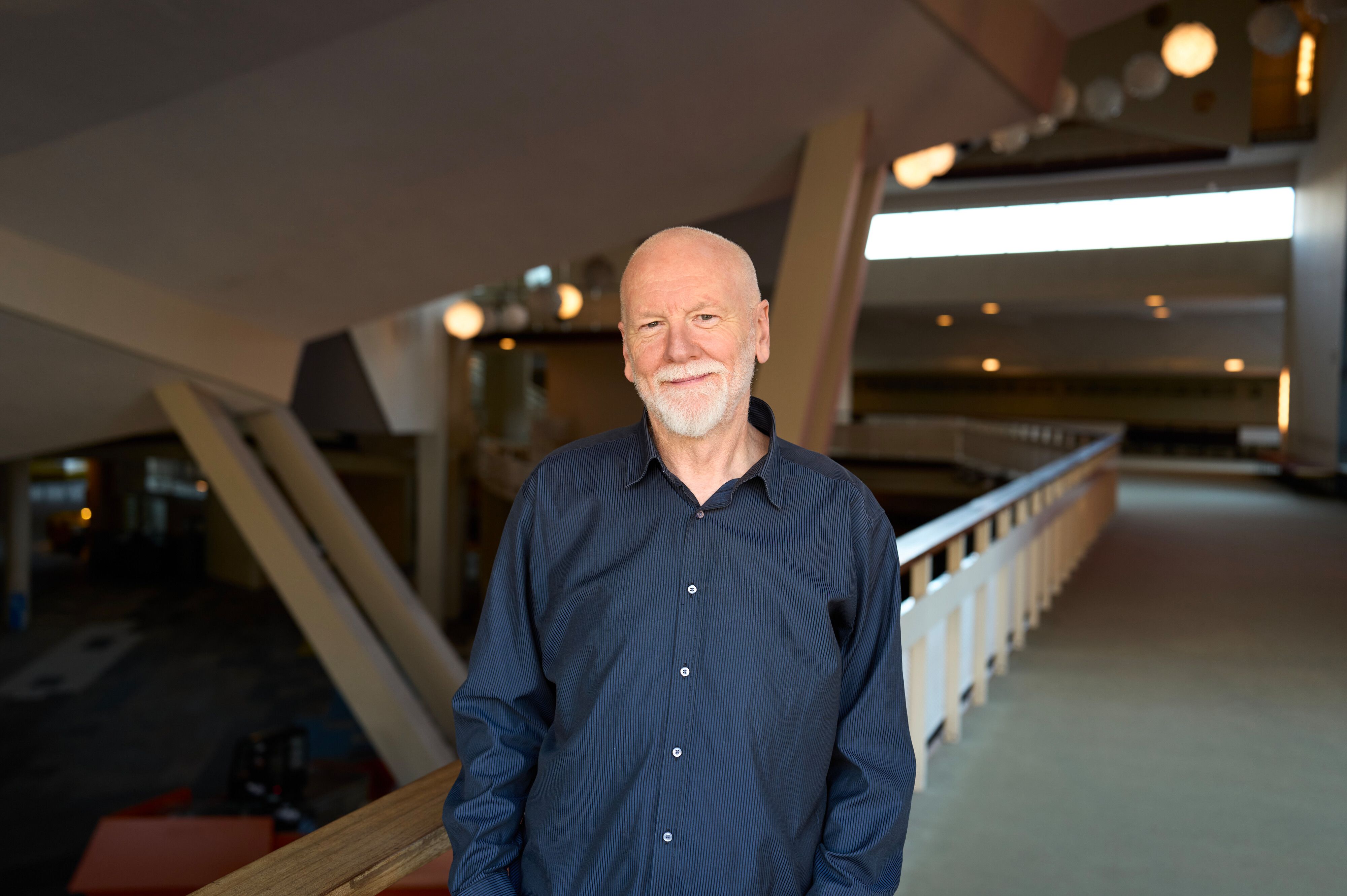
As part of his residency with the Berliner Philharmoniker, the Australian composer also makes his debut on the podium of the Philharmonie. It is a rare occasion for the orchestra’s former viola player: “If someone had approached me with a traditional Philharmoniker programme, I probably would have said: thank you, but someone else should do that,” Dean says. “But a programme tailored primarily to me as a composer – that is something I feel I can convey to the orchestra with a fair amount of confidence.”
New York & South America tour



Picture: Rob Davidson
Picture: Rob Davidson
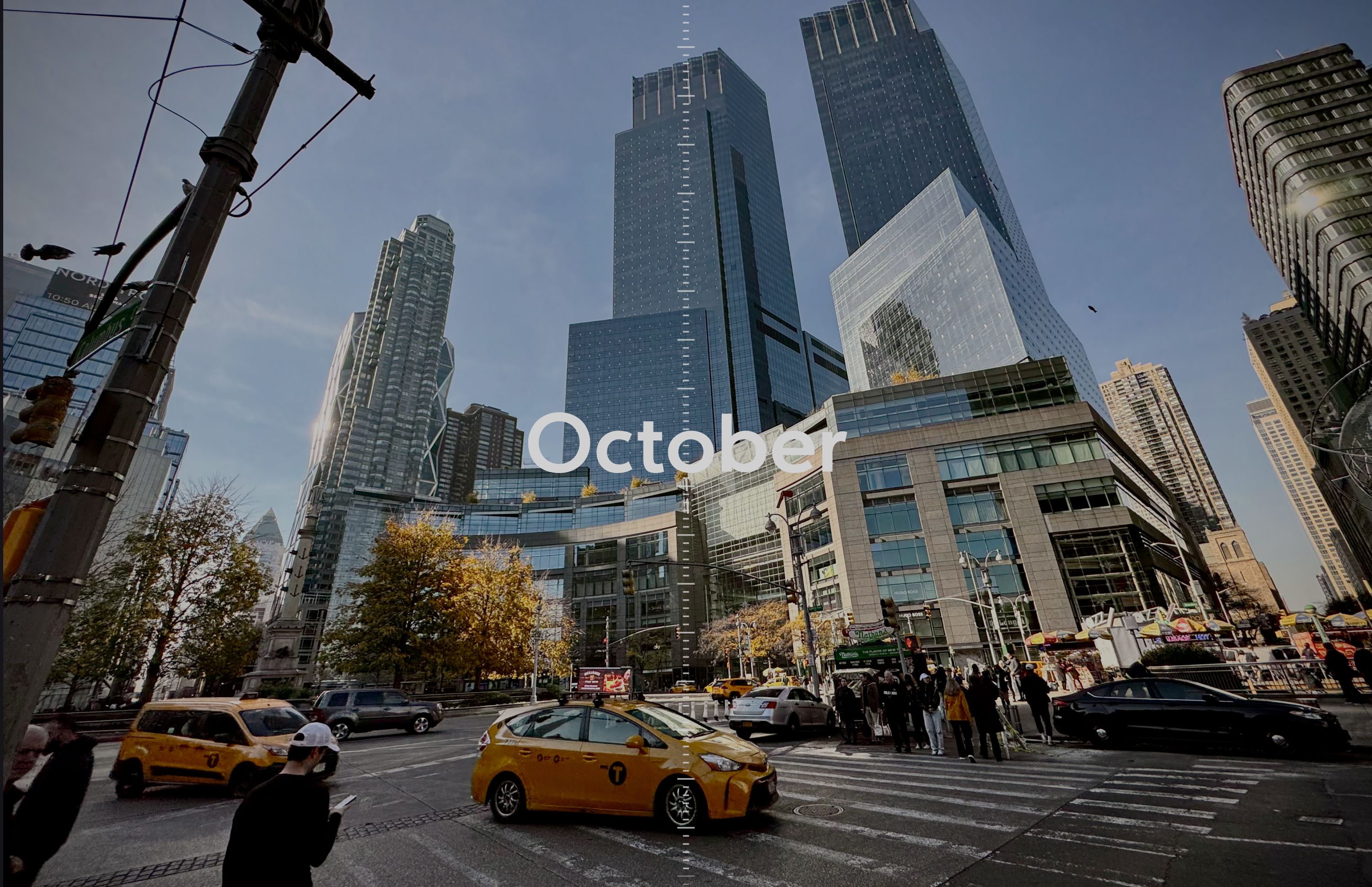
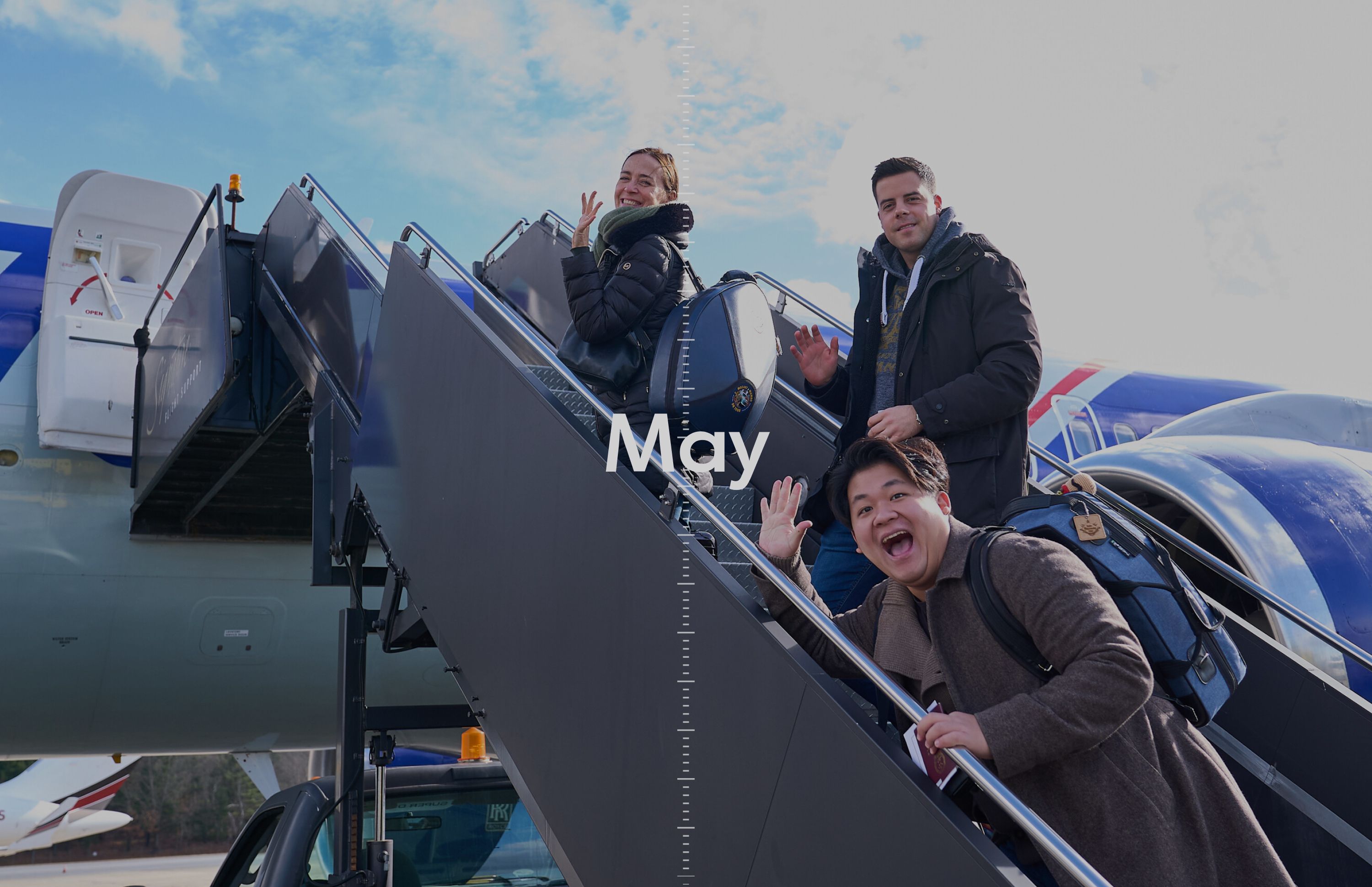
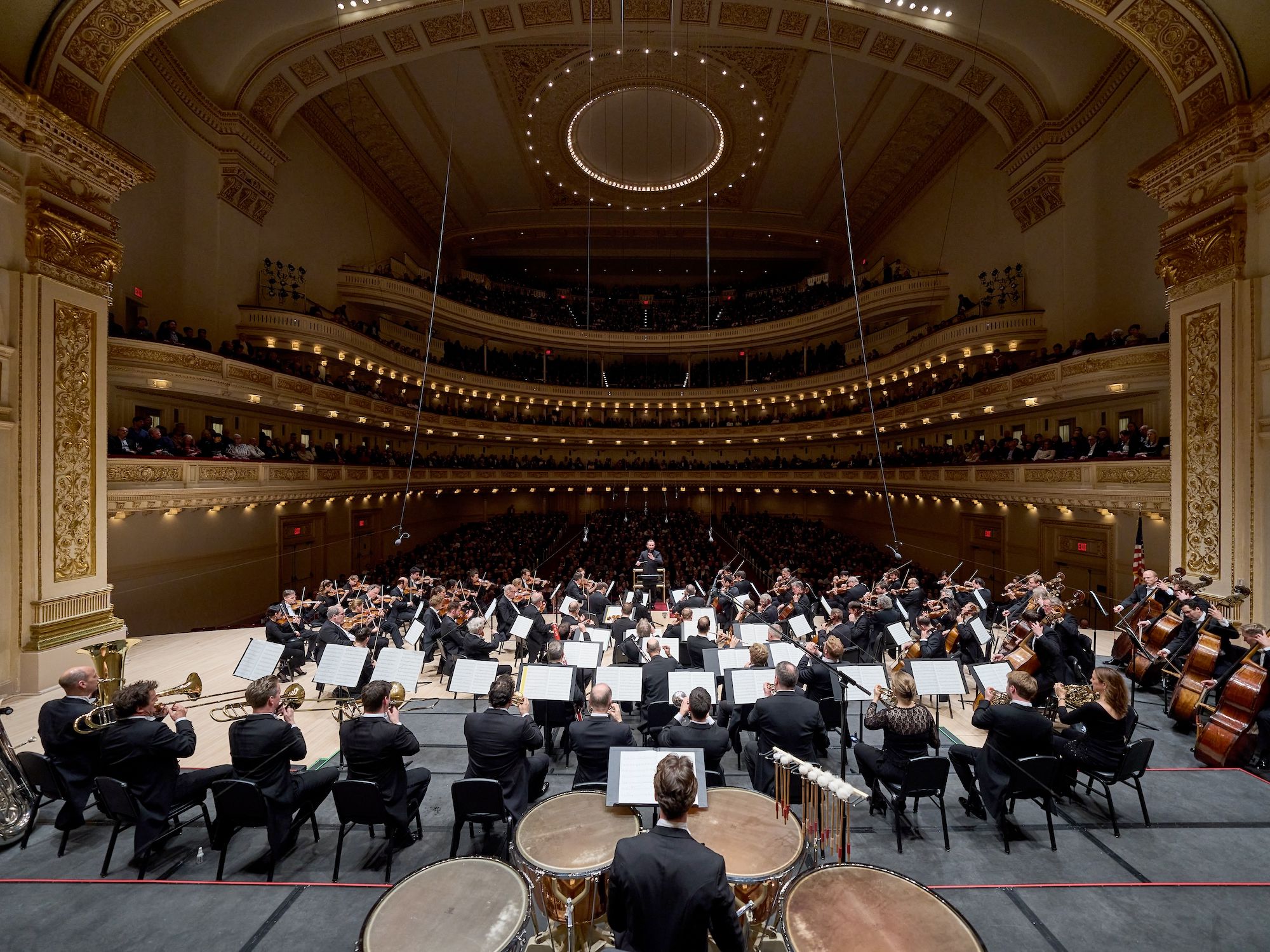
A good quarter of a century has passed since the last tour to South America – high time for a return to this fascinating region. After opening the tour in New York, the Philharmoniker and Kirill Petrenko will appear in Bogotá, São Paulo and Buenos Aires in autumn 2026.
New Year’s Eve concert



Picture: Chris Christodoulou
Picture: Chris Christodoulou
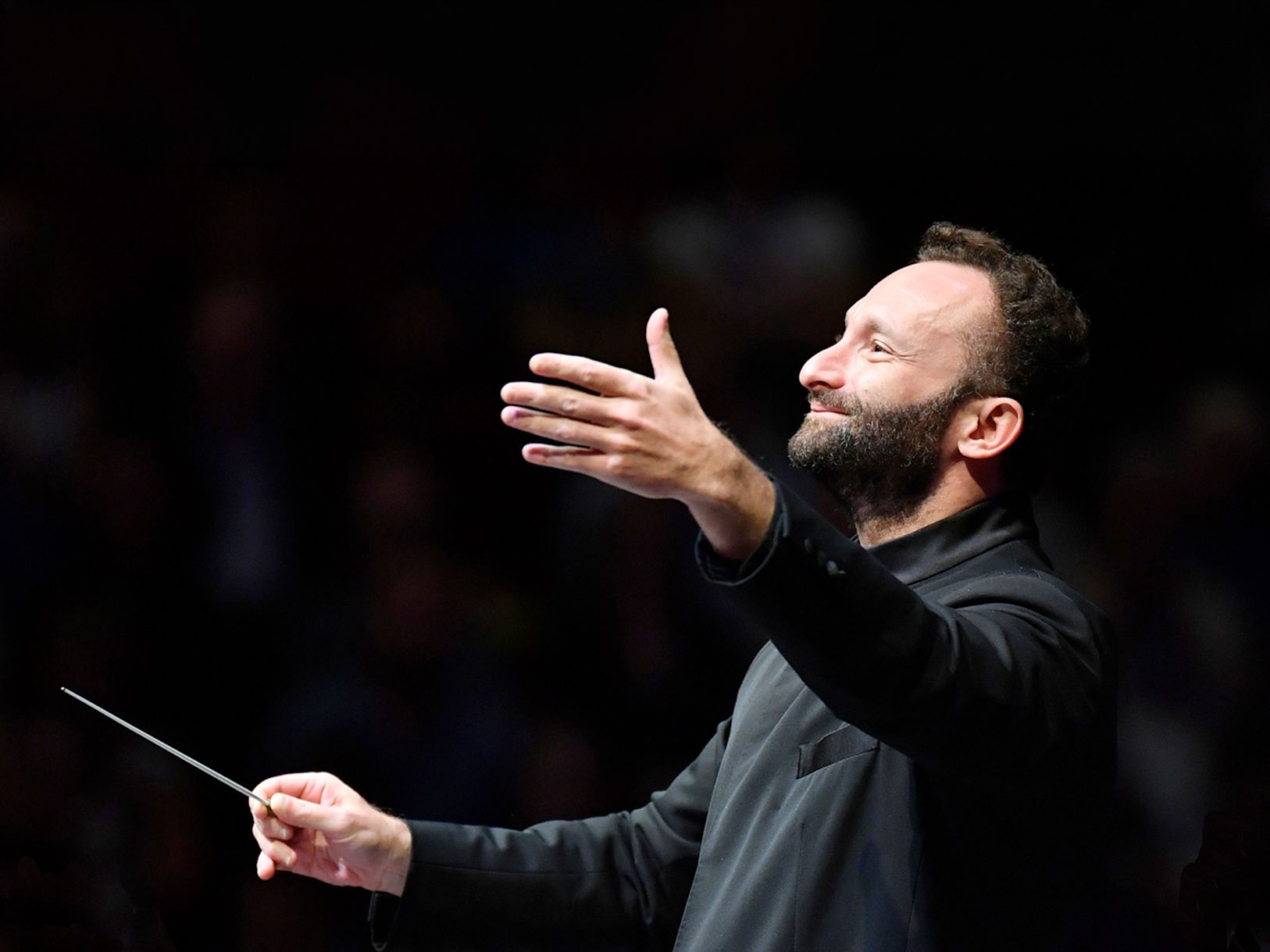
With humour and a touch of irony, Kirill Petrenko and the Berliner Philharmoniker bid farewell to 2026. In his Concerto for Piano and Trumpet, Dmitri Shostakovich brilliantly parodies the concerto genre, while Sergei Prokofiev engages playfully with the traditions of Viennese Classicism in his Classical Symphony, and Richard Strauss paints a portrait of Till Eulenspiegel that alternates between wry wink and gleeful grotesque. The New Year’s Eve concert will be broadcast live to cinemas across Germany and Europe.
Biennale “Signs & Wonders”



What do we believe in? This question runs through many major works of music and remains timelessly urgent. Our Biennale Signs & Wonders – on faith, hope and doubt invites you to explore these questions through sound. The festival opens space for a wealth of genres, colours and perspectives: from grand sacred works such as Beethoven’s Missa solemnis to a Late Night concert that brings the music of Hildegard von Bingen into the present day.
Kirill Petrenko conducts the Missa solemnis


Picture: Monika Rittershaus
Picture: Monika Rittershaus
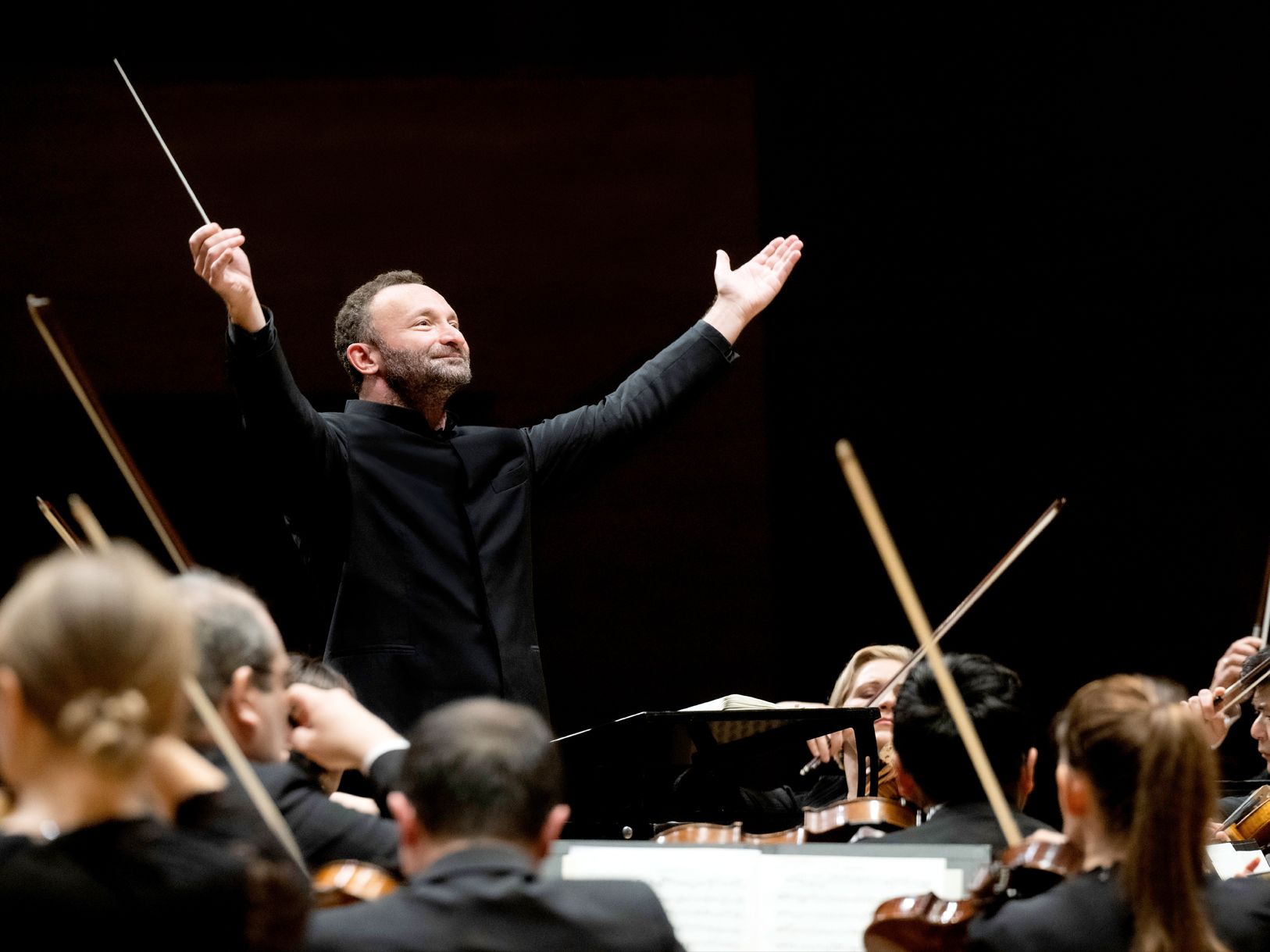
The Missa solemnis is among Beethoven’s most personal works – a passionate affirmation of faith and humanity. Marking the 200th anniversary of the composer’s death, Kirill Petrenko and the Berliner Philharmoniker perform Beethoven’s Missa solemnis as the conclusion of our Biennale Signs & Wonders.
Salzburg Easter Festival



Picture: Mathias Vef
Picture: Mathias Vef
With Die Walküre, the core drama of Wagner’s Ring des Nibelungen begins. The work takes centre stage at the Easter Festival in Salzburg in a production by Kirill Serebrennikov. Kirill Petrenko conducts, and also leads a performance of Beethoven’s monumental Missa solemnis. Chamber ensembles and the Education & Outreach programme of the Berliner Philharmoniker will bring a festive atmosphere to venues throughout the city.
“Die Walküre” in concert


Picture: Stephan Rabold
Picture: Stephan Rabold
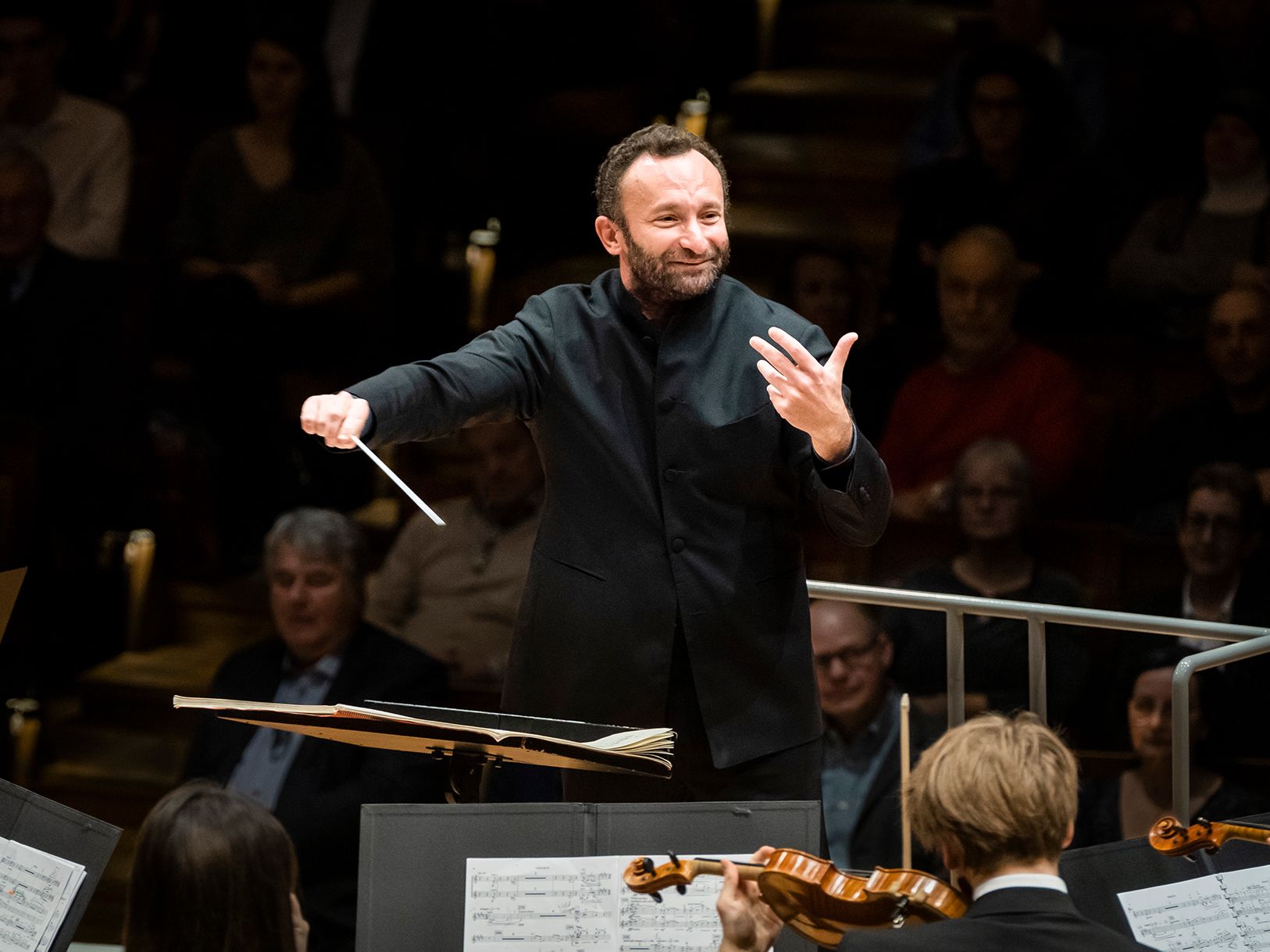
Adultery, incest, the Ride of the Valkyries and a ring of fire – Wagner’s Walküre is uniquely dramatic. After performances at the Salzburg Easter Festival, Kirill Petrenko and the Berliner Philharmoniker bring the work to Berlin in concert form – continuing the complete Ring des Nibelungen cycle they began last season.
Scandinavia tour



Picture: Mats Lundqvist
Picture: Mats Lundqvist
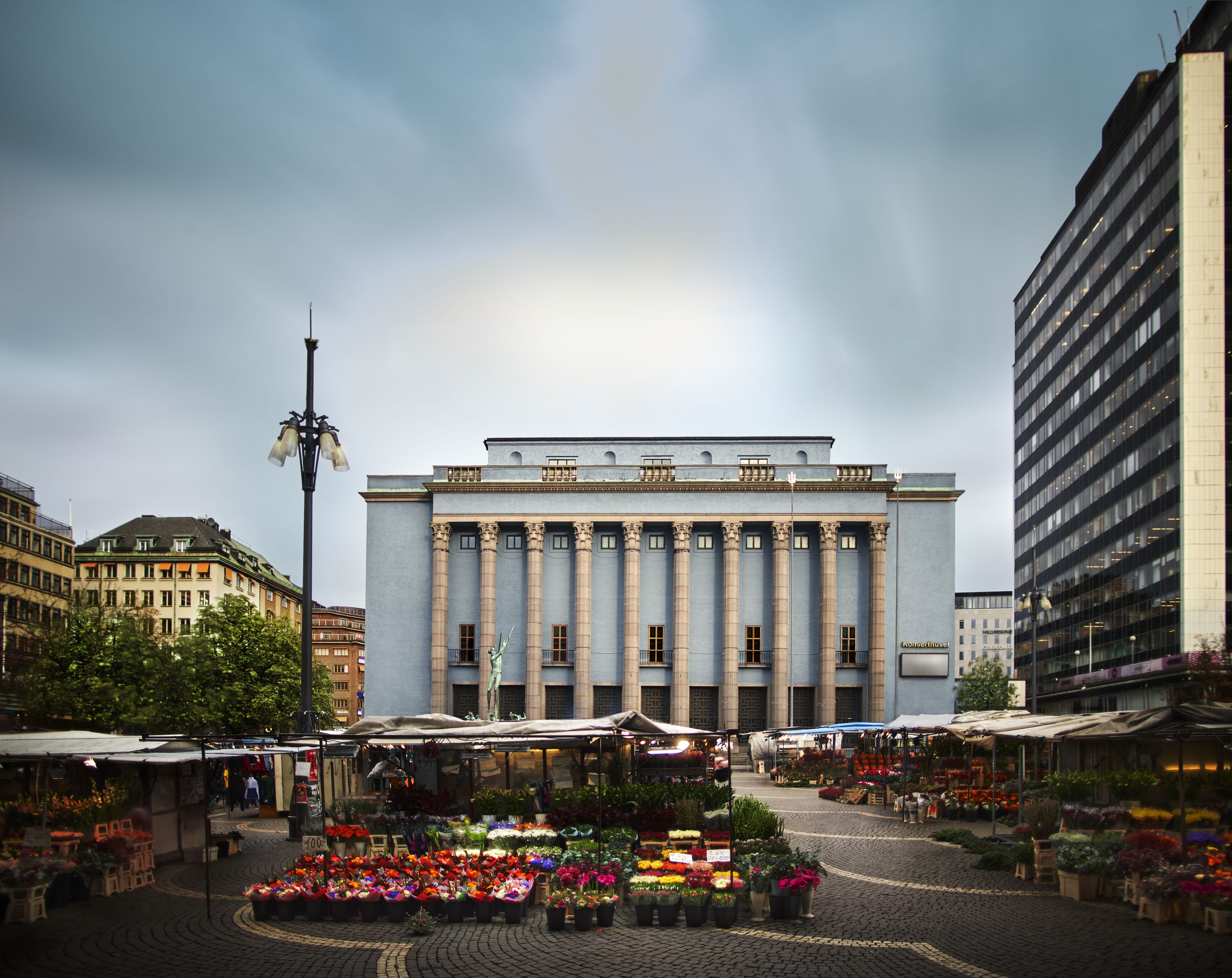
The orchestra tours regularly in Northern Europe. Even so, it has been 15 years since the Berliner Philharmoniker last performed in Stockholm and Copenhagen. A stop in Aarhus, Denmark, is also planned before the tour returns home to Berlin – with a brief detour via Hamburg’s Elbphilharmonie.
25 years of Education & Outreach
“Hänsel und Gretel”


Picture: Lena Laine
Picture: Lena Laine
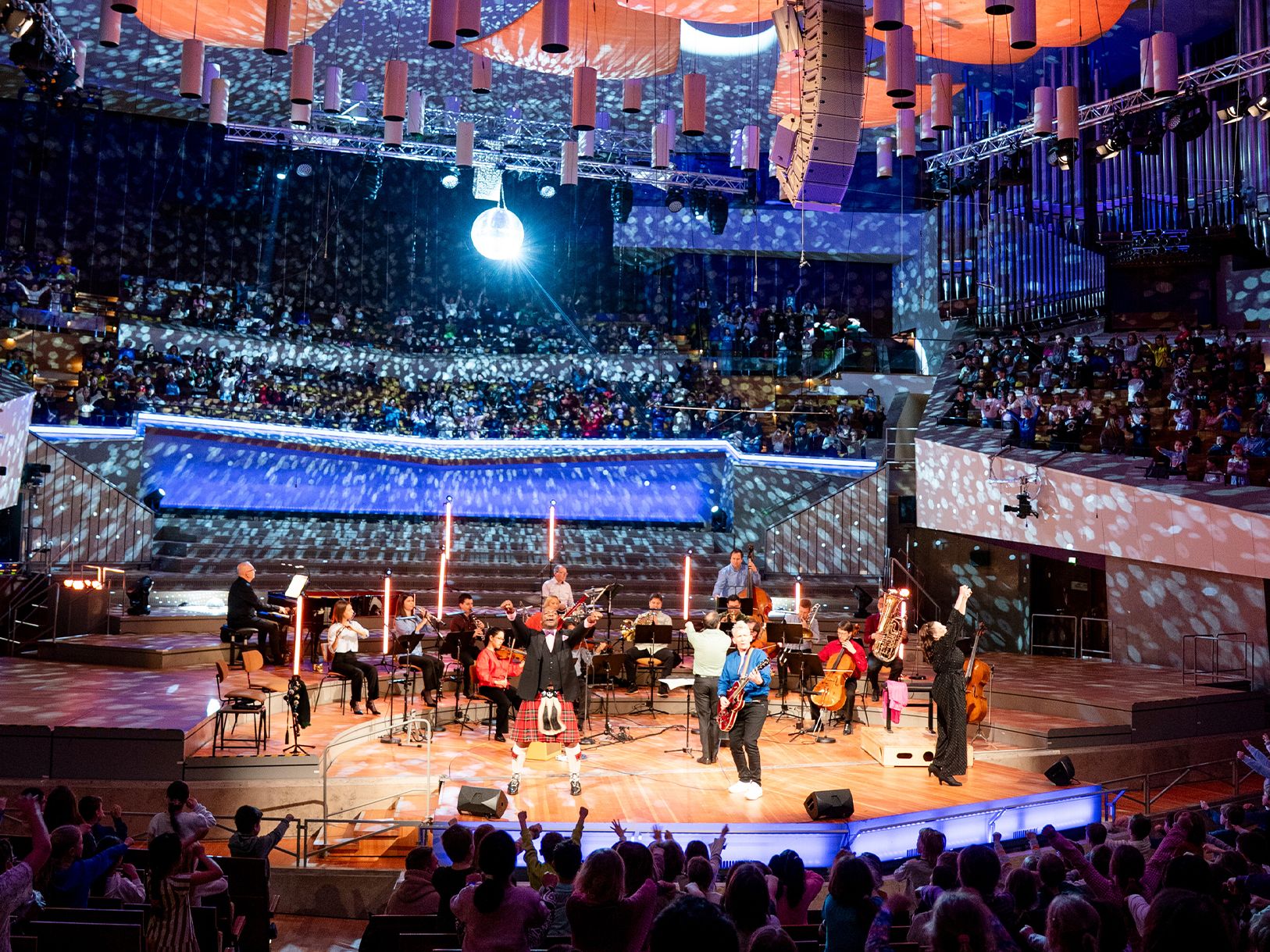
Two bold children use their wits escape a witch – Humperdinck’s Hänsel und Gretel continues to enchant with its folk‑inspired melodies and Wagner‑tinged orchestral writing. Kirill Petrenko conducts a semi‑staged performance of the opera. On stage alongside the orchestra is the Vokalhelden choir, a project of the Berliner Philharmoniker’s Education programme, which celebrates its 25th anniversary this season.
Season finale at the Waldbühne


Picture: Stephan Rabold
Picture: Stephan Rabold
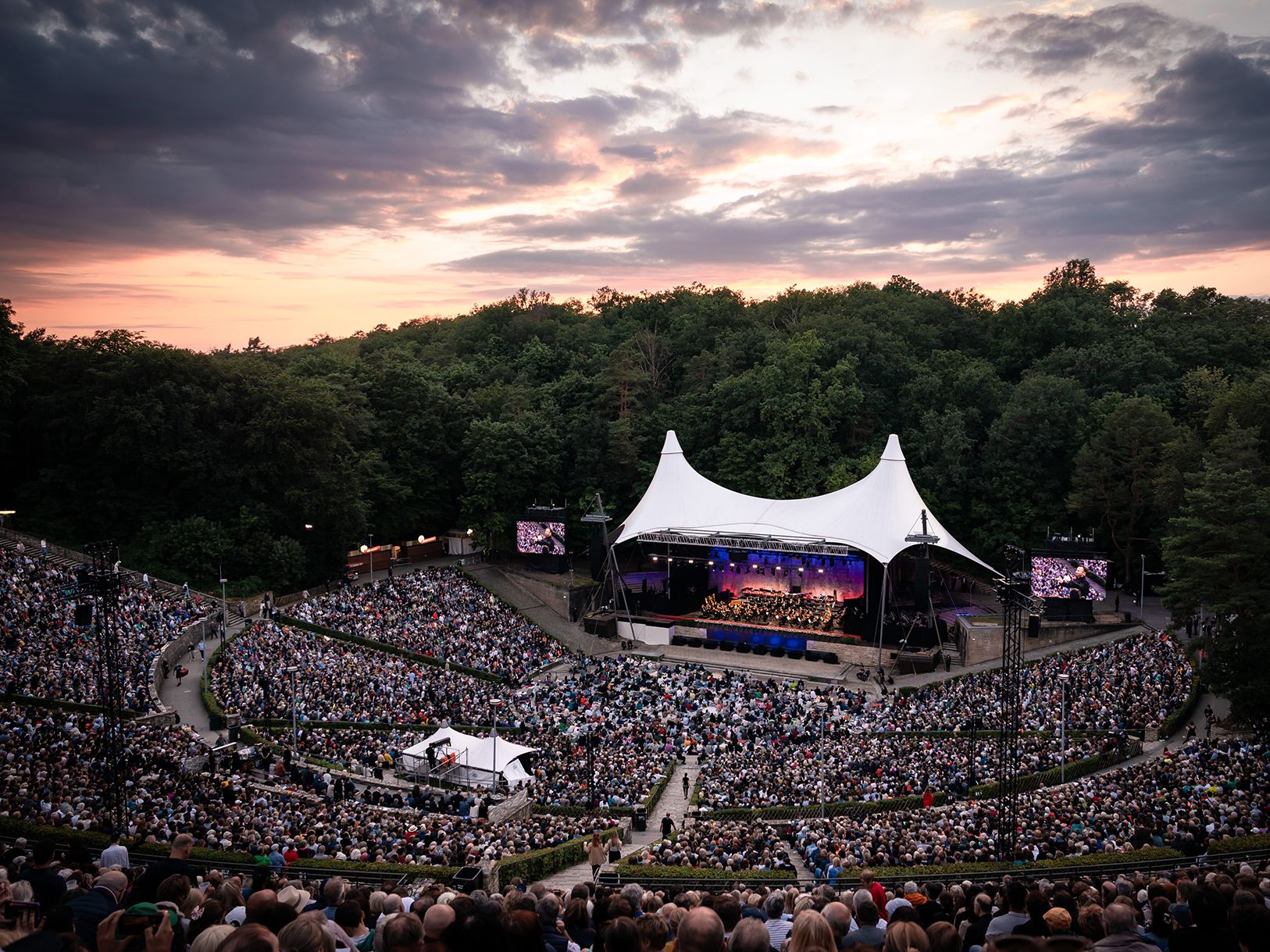
A rousing finale: the Berliner Philharmoniker’s concert season reaches its festive conlcusion at the Waldbühne with an explostion of dance, rhythm and orchestral colour. Spirited csárdás and waltz sounds by Johann Strauss drift through the Berlin air, joined by a sensuous scene from Strauss’s Salome, the fairytale world of Stravinsky’s Firebird and the dark allure of Ravel’s La Valse.
Discover more
Subscriptions and flex packages
Join us for the season with a subscription – or enjoy full flexibility and create your own concert package.


Musikfest Berlin 2026
A festival of leading international orchestras, including the Berliner Philharmoniker. 2026 marks the 75th anniversary of the Berliner Festspiele.


“Satzwechsel” – a new literature series
Literature and music reflect the world and life in all its complexity: sensuous, engaging, and inspiring. In our new series Satzwechsel, we bring these two art forms together.


Season brochure
The 2025/26 season programme as an online brochure and available for download (only in German).

The season in the Digital Concert Hall
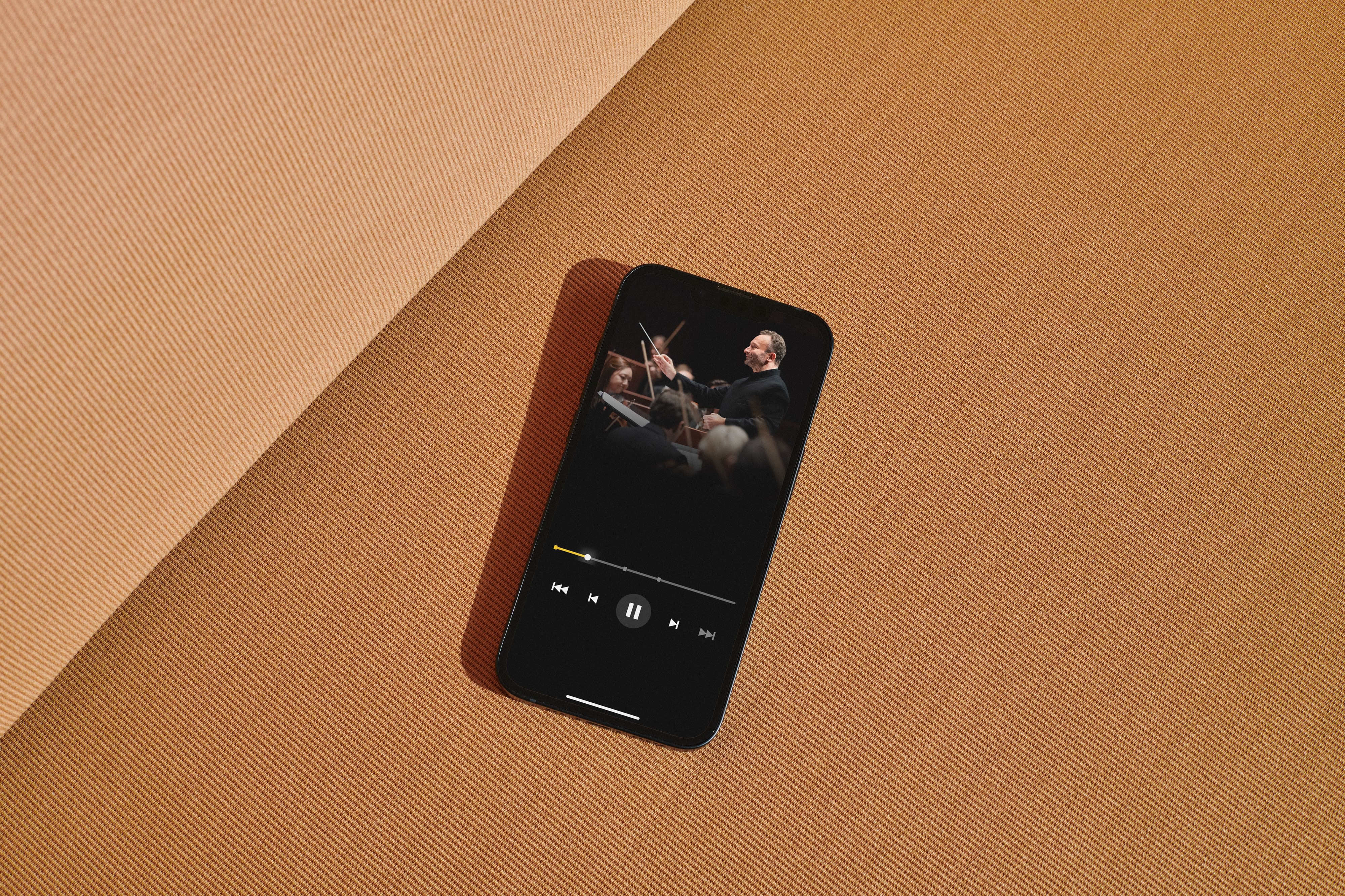
Whether on your smartphone or TV – with our broadcasts, you won’t miss a single concert.
 Built with Shorthand